Delightful 50 Flowers Name in Bengali & English and Scientific Name
Are you learning Bengali or working on a project where you need to enter Bengali flowers in English? After reading this article, you will not only find that list but you will also dive into the world of flowers such as tulips (টিউলিপ), daffodils (ড্যাফোডিলস), daisies (ডেইজি), Iris (আইরিস), gladiolus (গ্ল্যাডিওলাস), and Marigolds (গাঁদা). You will also look at the full culture of Bengal with special attention to the drug features and decorative value of these beautiful plants.
Although Bengali is the national language of Bangladesh, with approximately 100 million local speakers, India also has a large number of Bengali speakers about 85 million. In India, it is mainly spoken in West Bengal. Bengali is the second most spoken language in India after Hindi. Approximately 8% of the population in India speaks Bengali.
Flowers in Bengali Culture
Each social group has a separate symbolic system with its specific literal meaning and symbols. Culture in the Bengali form also shows the same tradition. Flower plants provide decorative elements for all parts of Bengali culture, as people use them for the decoration of temple statues and festivals. Famous Bengali poet Rabindranath Tagore found his creative movements in Bengali literature to show the meaning of birds as well as birds.
50 Flower Names in Bengali and English
| S. no. | Bengali Name | English Name | Scientific Name |
|---|---|---|---|
| 1 | গোলাপ | Rose | Rosa |
| 2 | পদ্ম | Lotus | Nelumbo nucifera |
| 3 | জবা | Hibiscus | Hibiscus rosa-sinensis |
| 4 | বেলী | Jasmine | Jasminum sambac |
| 5 | শাপলা | Water Lily | Nymphaea nouchali |
| 6 | সূর্যমুখী | Sunflower | Helianthus annuus |
| 7 | গাঁদা | Marigold | Tagetes |
| 8 | করবী | Oleander | Nerium oleander |
| 9 | কৃষ্ণচূড়া | Gulmohar | Delonix regia |
| 10 | শিউলি | Night-flowering Jasmine | Nyctanthes arbor-tristis |
| 11 | দোপাটি | Cosmos | Cosmos bipinnatus |
| 12 | কাঞ্চন | Golden Shower | Cassia fistula |
| 13 | বকুল | Spanish Cherry | Mimusops elengi |
| 14 | চাঁপা | Champak | Magnolia champaca |
| 15 | কদম | Burflower-tree | Neolamarckia cadamba |
| 16 | নয়নতারা | Periwinkle | Catharanthus roseus |
| 17 | রজনীগন্ধা | Tuberose | Polianthes tuberosa |
| 18 | অপরাজিতা | Butterfly Pea | Clitoria ternatea |
| 19 | টগর | Crape Jasmine | Tabernaemontana divaricata |
| 20 | কামিনী | Orange Jasmine | Murraya paniculata |
| 21 | হাসনাহেনা | Night-blooming Jasmine | Cestrum nocturnum |
| 22 | ডালিয়া | Dahlia | Dahlia |
| 23 | গন্ধরাজ | Gardenia | Gardenia jasminoides |
| 24 | পারিজাত | Coral Jasmine | Nyctanthes arbor-tristis |
| 25 | অশোক | Ashoka | Saraca asoca |
| 26 | পলাশ | Flame of the Forest | Butea monosperma |
| 27 | শেফালি | Henna | Lawsonia inermis |
| 28 | কুন্দ | Jasmine | Jasminum multiflorum |
| 29 | মল্লিকা | Arabian Jasmine | Jasminum sambac |
| 30 | জুঁই | Jasmine | Jasminum auriculatum |
| 31 | কাশফুল | Kans Grass | Saccharum spontaneum |
| 32 | শিমুল | Silk Cotton | Bombax ceiba |
| 33 | কৃষ্ণকলি | Blackberry Lily | Iris domestica |
| 34 | কামরাঙ্গা | Star Fruit | Averrhoa carambola |
| 35 | কচু | Taro | Colocasia esculenta |
| 36 | কেতকী | Screw Pine | Pandanus odorifer |
| 37 | কুরচি | Milkwood Pine | Holarrhena pubescens |
| 38 | কুসুম | Safflower | Carthamus tinctorius |
| 39 | কেয়া | Screwpine | Pandanus fascicularis |
| 40 | খয়রা | Indian Laburnum | Cassia fistula |
| 41 | গন্ধভাদালি | Lantana | Lantana camara |
| 42 | চন্দ্রমল্লিকা | Moonbeam | Chrysanthemum |
| 43 | জাতীপুষ্প | Water Lily | Nymphaea nouchali |
| 44 | ডাহলিয়া | Dahlia | Dahlia |
| 45 | তগর | East Indian Rosebay | Ervatamia coronaria |
| 46 | নীলকমল | Blue Water Lily | Nymphaea nouchali |
| 47 | পারুল | Trumpet Flower | Stereospermum chelonoides |
| 48 | বাসন্তী | Yellow Bell | Tecoma stans |
| 49 | মাধবীলতা | Hiptage | Hiptage benghalensis |
| 50 | রক্তকরবী | Red Oleander | Cascabela thevetia |
Detailed Descriptions of Selected Flowers
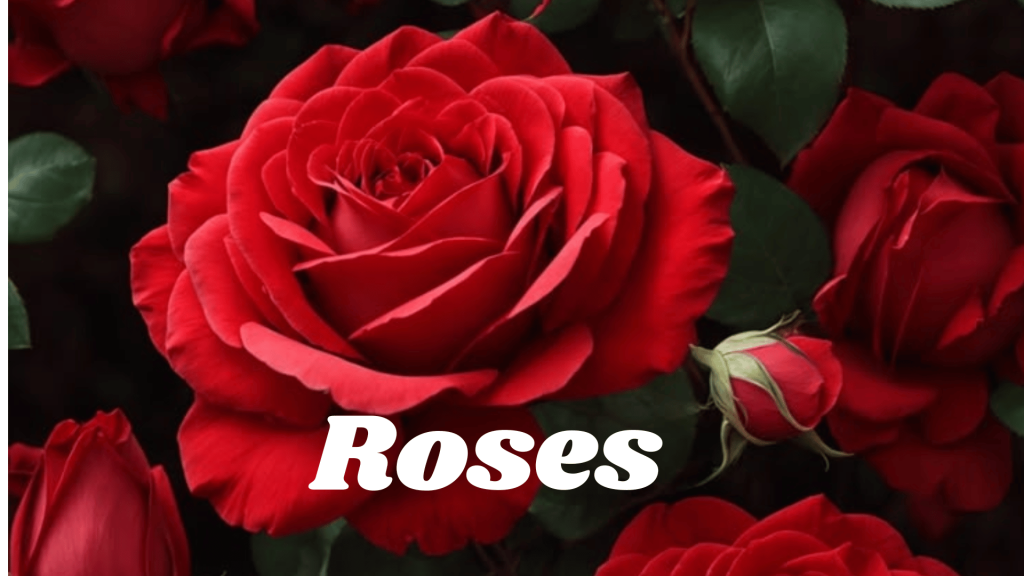
গোলাপ (Rose)
The flower has been recognized as symbol of love and beauty as well as sensitivity and romance throughout the world. “golap” is its name in Bengali. Roses are used as garlands in special and religious occasions in the Benagli culture. The red rose, specifically, symbolizes love and romance.
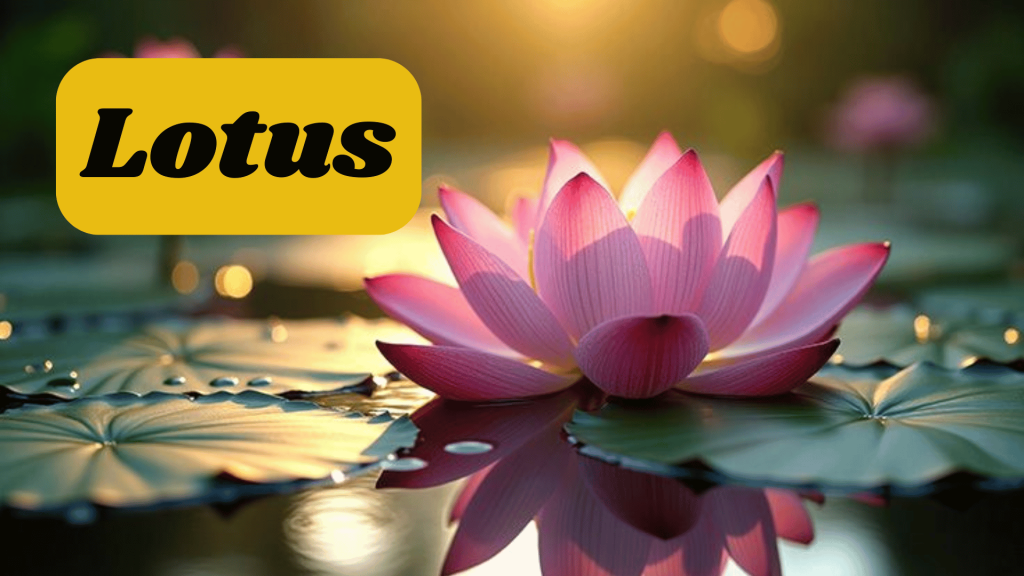
পদ্ম (Lotus)
“Padma” or lotus is relavant to the history of Bengal and Indias religion and culture. It is the national flower of both India and Bangladesh and represents enlightenment, purity, and rebirth. In Bengali literature and art, the padma holds great fascination and is considered as a matter of discussion.
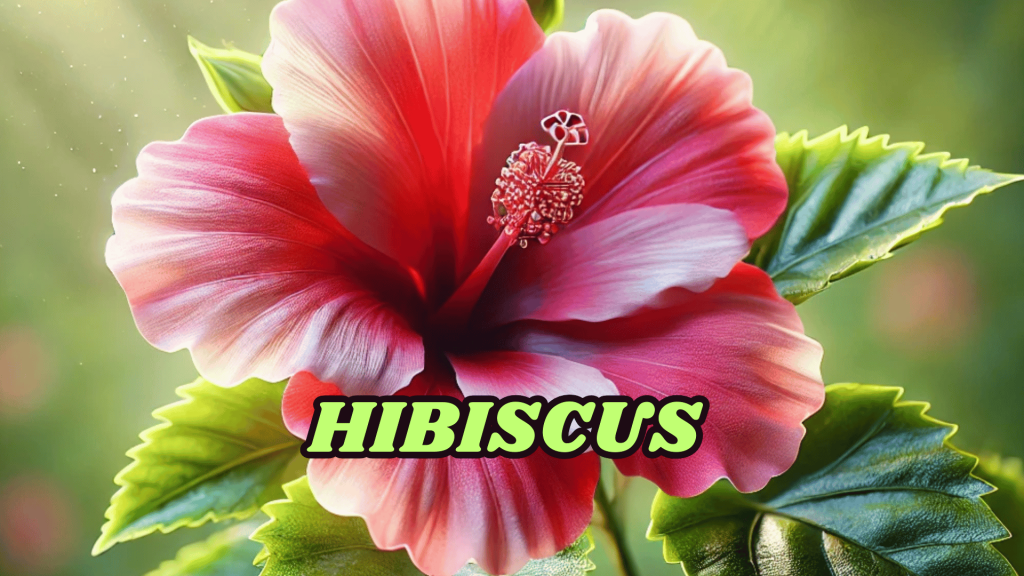
জবা (Hibiscus)
In Bengal, “joba” or Hibiscus is one of the flowers that are easily available. It is offered to Kali and has other medicinal uses as well. The flower is also known for its medical usage and Red hibiscus is famously known for women’s hair care products.
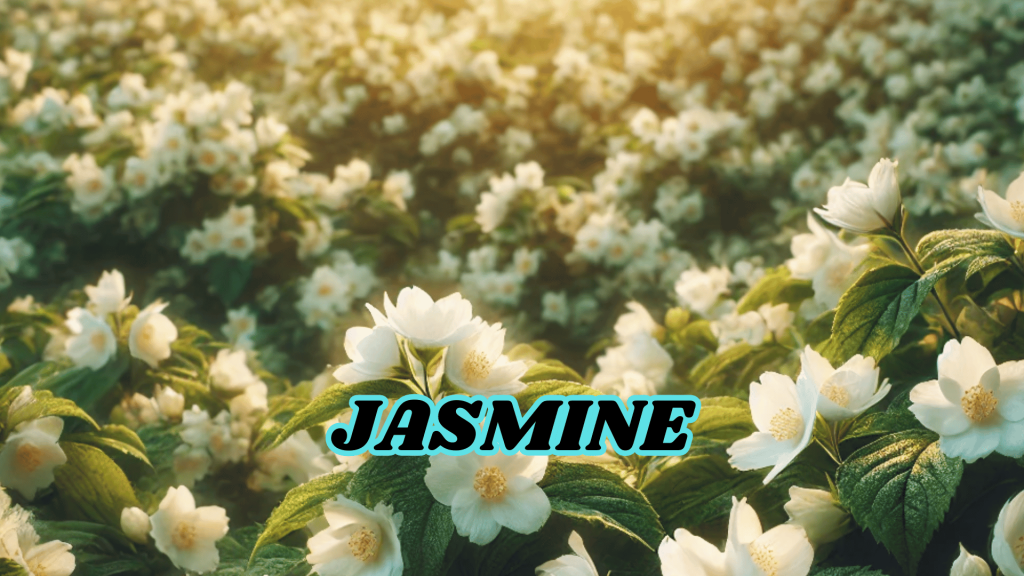
বেলী (Jasmine)
Particularly, in brides, jasmine or “Beli” is placed on the head because of its amazing fragrance. In Bengali custom jasmine is often used in weddings. Besides, the flower is also used in the production of perfumes and even essential oils.
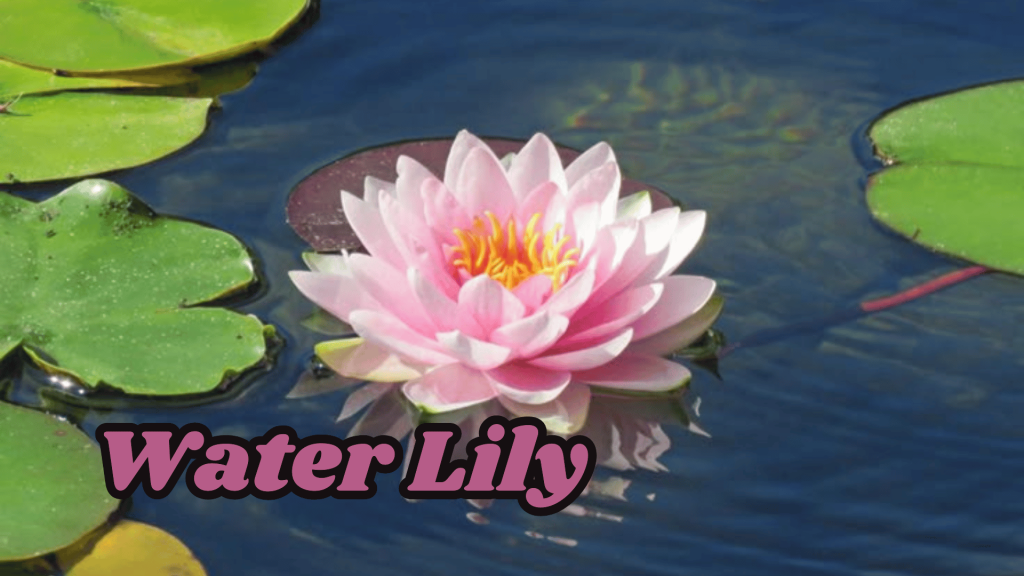
শাপলা (Water Lily)
The shapla or water lily, the national flower of Bangladesh, is found in abundance in the multitude of water resources of the nation. It denotes purity and beauty.
Also check: Flower names in Tamil
Cultural Significance of Flowers in Bengali Traditions
Flowers play a crucial role in various Bengali festivals and rituals:
- The major festival Durga Puja features broad use of marigolds together with hibiscus and lotuses for pandal decorations alongside worship offerings.
- For Bengali New Year known as Pohela Boishakh people choose marigolds as their main floral decoration element.
- Belonging to Bengali weddings flowers play essential roles both in ceremonial garlands and decorations and religious acts.
- Multiple Bengali homes conduct daily rituals by providing flowers for divine offerings during their worship ceremonies.
Flowers in Bengali Literature and Art
Bengali literature together with artistic works have consistently embraced floral beauty as their creative source. Some notable examples include:
1. In his Nobel laureate writings and songs Rabindranath Tagore incorporated flower imagery throughout his prose.
2. Bengali folk art uses Alpana as a traditional decorative practice which frequently includes floral decorative elements.
3. The artist Jamini Roy alongside other Bengali artists such as Jamini Roy have incorporated flowers as dominant subjects in their artwork.
Medicinal Uses of Flowers in Bengali Culture
Many flowers are used in traditional Bengali medicine:
- The use of Hibiscus serves to care for hair as well as fight off fever symptoms.
- Marigold enjoys medical application to treat skin infections and heal wounds.
- Jasmine: Used in aromatherapy for stress relief.
- The Ayurvedic holy plant Lotus contains several parts which Ayurvedic practitioners utilize as medical components.
Gardening and Flower Cultivation in Bengal
Flower gardening is a popular hobby in Bengal. Many households maintain small gardens with a variety of flowers. Some popular choices for Bengali gardens include:
- Roses
- Marigolds
- Jasmine
- Hibiscus
- Bougainvillea
Environmental Importance of Native Bengali Flowers
Many native Bengali flowers play crucial roles in the local ecosystem:
- The lotus and water lily flowers maintain local insect communities by providing pollination services.
- The local ecosystem benefits from native flowers because they support biodiversity conservation.
- Several types of local flowering plants assist in reducing soil damage across riverine environments.
Conservation Efforts
Various initiatives are underway to protect Bengali flower species:
- The strategies for safe areas consist of natural reserves as an important component, including national parks.
- To inform the public about the importance of local plants.
- Promoting a responsible collection of wild flowers.
- The important role of scientists includes studying local species and preserving their existence simultaneously.
Conclusion
Bengal has a wide range of flowers that not only creates aesthetic value to the area but also maintains cultural and traditional importance as well as helps the local ecosystem. In Bengali life, the list of flowers also includes a famous Kamal with fragrant gimmay, each of which has its own distinctive status. We must appreciate these flowers for their visual attractiveness and protective care because we want future people to experience their beauty.
The definition of Bengali flowers helps establish a strong relationship between humans and nature and their cultural background. Horticulture or cultural studies and good natural beauty provide everyone with traditional colors, with flowers with a fragrant aroma of Bengal.
FAQs
Q.1 Why are flowers so important in Bengali culture?
A. The Bengali ethnic tradition attributes special importance to flowers. Although they act as beautiful decorations, flowers also represent the sacred attributes that people value spiritually. From Bengali religious rituals to Durga Puja festivals, flowers are flowing at all events and important events. Bengalis draw creative ideas from flowers when they make art paintings and write poems or literature. The tradition of flowers is in the depths of Bengali everyday life.
Q.2 What’s the national flower of Bangladesh, and why did they choose it?
A. Shapla or water lily serves as the official national flowers of Bangladesh. The nation made a smart choice by selecting water lilies since they thrive across all lakes and ponds throughout Bangladesh. Water lilies stand for the spirit of purity and let people see Bangladesh’s waterscapes with nature in full view.
Q.3 Which flowers are must-haves at a Bengali wedding?
A. Bengali wedding wouldn’t be complete without certain flowers! You’ll definitely see lots of jasmine (beli), marigolds (ganda), and roses (golap). These flowers are used to make gorgeous garlands, decorate the venue, and play a part in various wedding rituals. Their sweet scents and bright colors really add to the festive atmosphere.
Q.4 Do Bengalis use any flowers for traditional medicine?
A. The practice of Bengali traditional medicine relies on using several types of flowers. Hibiscus functions as a natural hair cleanser and jasmine helps manage daily stress but marigold patches skin inflammations. Ayurvedic medicine frequently uses the lotus plant as a treatment. People find it fascinating when decorative plants offer medical benefits at the same time.
Q.5 How can we help protect native Bengali flowers?
A. There are lots of ways to get involved in flower conservation! Here are some ideas:
- Plant native flowers in your own garden
- Be mindful about not over-picking wild flowers
- Spread the word about why these flowers are important
- Join local groups working to protect native plant habitats.