Flowers: A Vital Contribution to Our World
Natural ecosystems depend on flowers as their fundamental and most important stunning elements. Visual charm in flowers obtains human approval while supporting ecosystem balance maintenance. People have used flowers in both economic activities and cultural practices and traditional uses since ancient times.
Flowers provide significant ecological and emotional support to nature through their ability to nourish pollinators and convey symbolic emotions. This article examines how flowers are essential within global domains particularly in ecosystem protection and cultural traditions and economic markets and medicinal properties.
1. Importance of Flowers about Ecological
The natural ecosystem needs flowers as an essential component to maintain sustainability. The natural ecosystem receives significant advantages from flowers since they support biodiversity and help pollinators complete plant reproduction.
Pollination and Biodiversity
The vital life function of flowers occurs when they offer vital nutrition to pollinators which include bees butterflies birds and bats. These creatures enable biological pollination since they carry pollen from flower to flower thus producing seeds that lead to fruit development.
Plant reproduction as well as pollination process effectiveness would decrease dramatically during periods when flowers disappear from the environment. The absence of flowers would result in a contamination spread across the complete food chain which would affect both animal and human species.
Air Purification and Oxygen Production
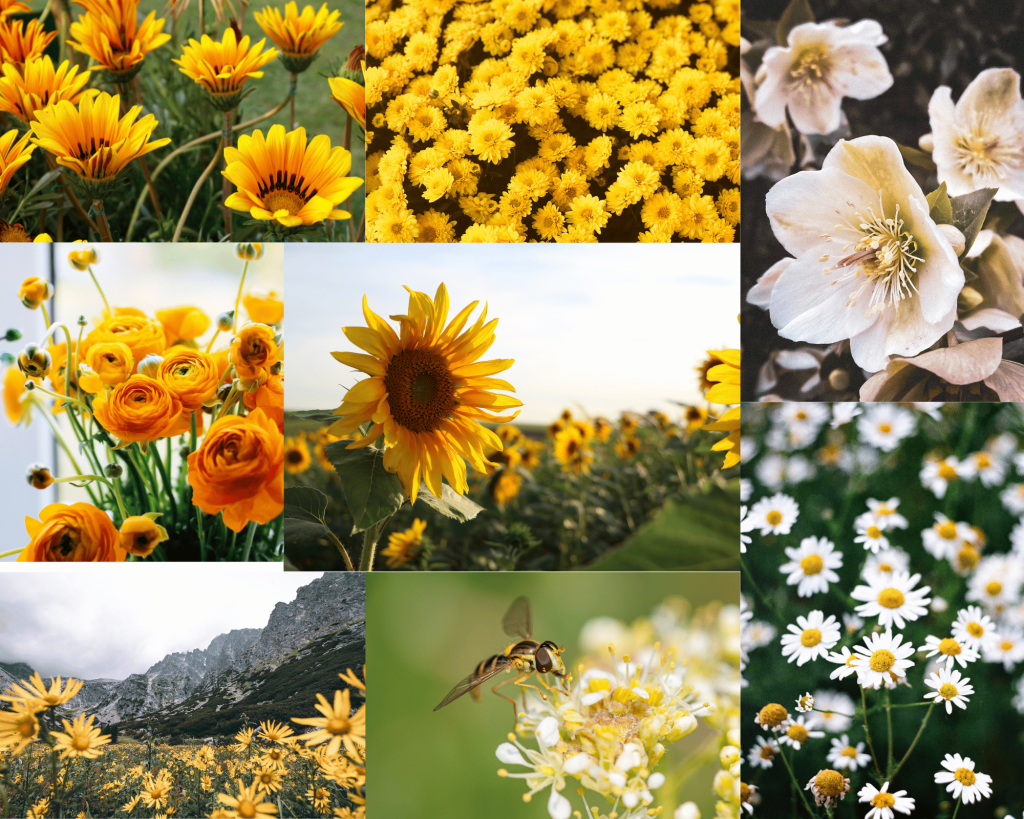
Flowering plants along with the rest of the plant species work collaboratively to maintain air purity. The photosynthesis process enables plant organisms to absorb carbon dioxide from their environment before releasing oxygen back into their surroundings. The harmful substances absorbed by chrysanthemums and lilies from environmental pollutants result in air quality that humans can comfortably breathe without difficulty.
2. Flowers and Their Cultural Significance
Throughout different cultures across the world flowers serve as essential parts for their religious practices and social traditions. The use of flowers continues in religious ceremonies and it also appears in celebrations and emotional celebrations.
Symbolism and Emotional Connection
Every flower within the scheme conveys distinct meanings that unite with emotional components and moral characteristics. For example:

Love emissions along with sensual passion become apparent when we recognize the symbolism of Red Roses.
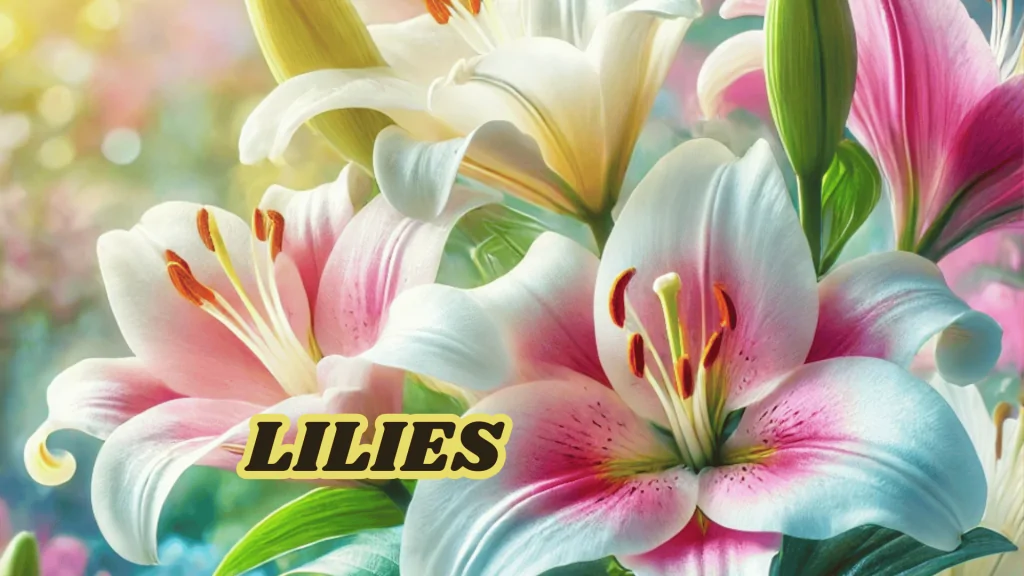
Through its pure essence lilies reveal their meaning of transformation.
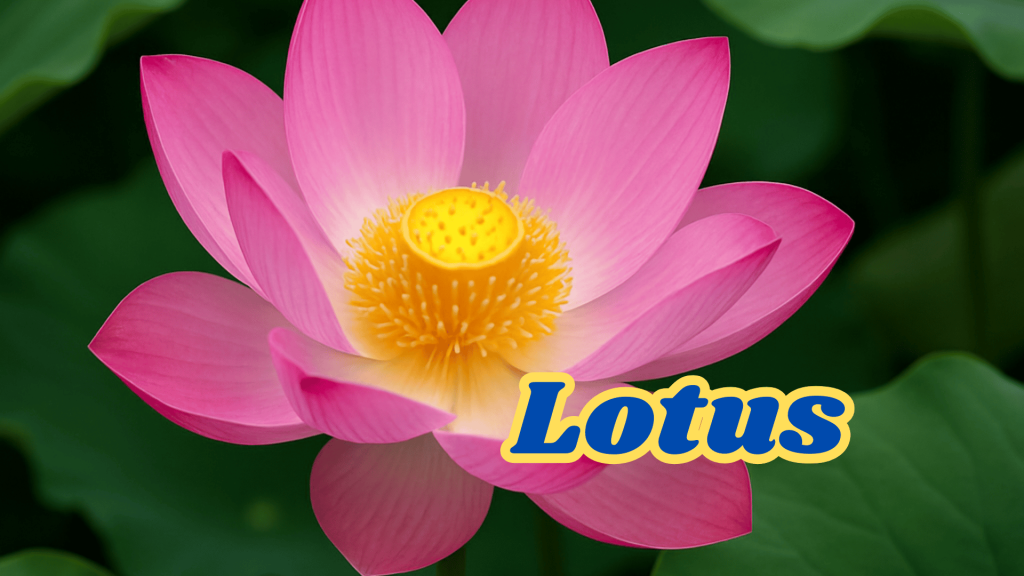
Throughout Asian cultural traditions the lotus flower holds spiritual significance because it symbolizes both spiritual enlightenment and the birth-death-rebirth process.
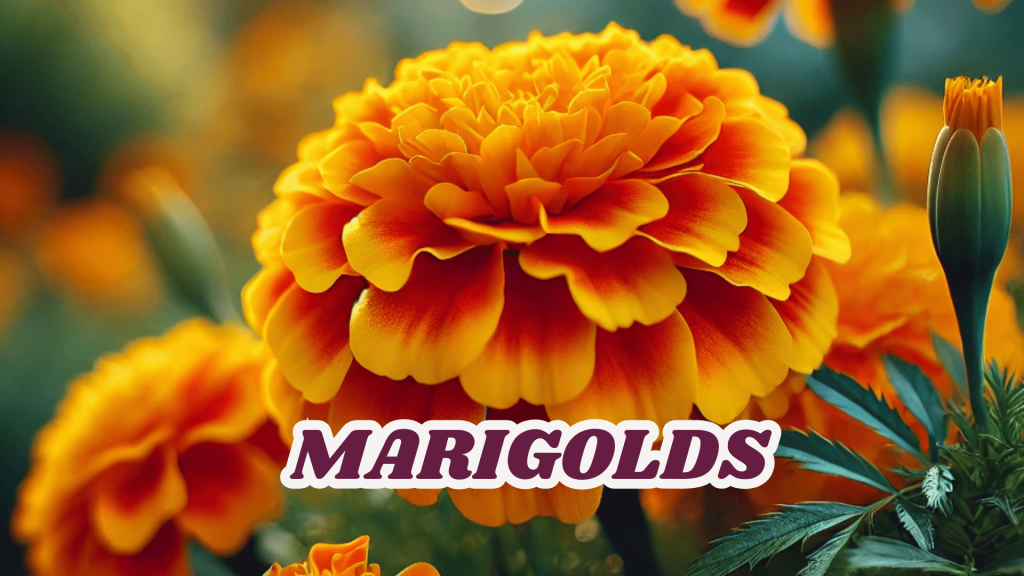
The religious tradition uses marigold plants as symbolic plants during ceremonial events.
The combination of literary works with artistic and poetic creations utilizes flowers to represent beauty and express emotions during their depiction of life cycles.
Traditional and Religious Practices
Surrounding religious events and traditional customs in the world heavily depend on flowers for their celebrations and sacred practices. Bright flowers form an essential element of religious Hindu rituals which are distributed to deities during prayer services.
Flowers become an essential fixture during all Christian religious ceremonies which occur within church buildings. Japanese artisans perform Ikebana flower arrangement to illustrate how flowers symbolize both balance and element harmonization according to their beliefs.
3. The Economic Importance of Flowers
Global economic value of flowers stems from combined activities of agricultural production and floricultural farming and tourist attractions.
Floriculture Industry
Worldwide floriculture businesses adhere to the definition of floriculture since this practice signifies floral growth aimed at commercial objectives. The market utilizes flowers in various ways through their resale activities which produce decorative outcomes along with ceremonial needs and gift items.
These four countries: Netherlands, Colombia, Kenya and Ecuador use their flower exportation business to sustain their financial systems.
Flower Tourism
Many places around the world attract tourists due to their beautiful flower landscapes. For instance:
The Dutch tulip field region annually welcomes multiple millions of tourists.
The majority of people who want to see flowers spend their time attending cherry blossom festivals in both Washington DC and Japan.
- Lavender fields in France and sunflower fields in Italy serve as major tourist attractions.
The flower tourism business delivers considerable financial benefits and in turn establishes fresh labor positions in surrounding towns.4. Medicinal and Therapeutic Benefits of Flowers
Doctors of traditional and contemporary medical sectors use flowers for treatment because these plants contain medicinal properties. Flowers exist as fundamental elements in herbal remedies and essential oils thus serving as principal components of aromatherapy applications because of their therapeutic attributes.
Healing Properties
Plenty of flower specimens have medicinal qualities that doctors utilize to treat different medical conditions.
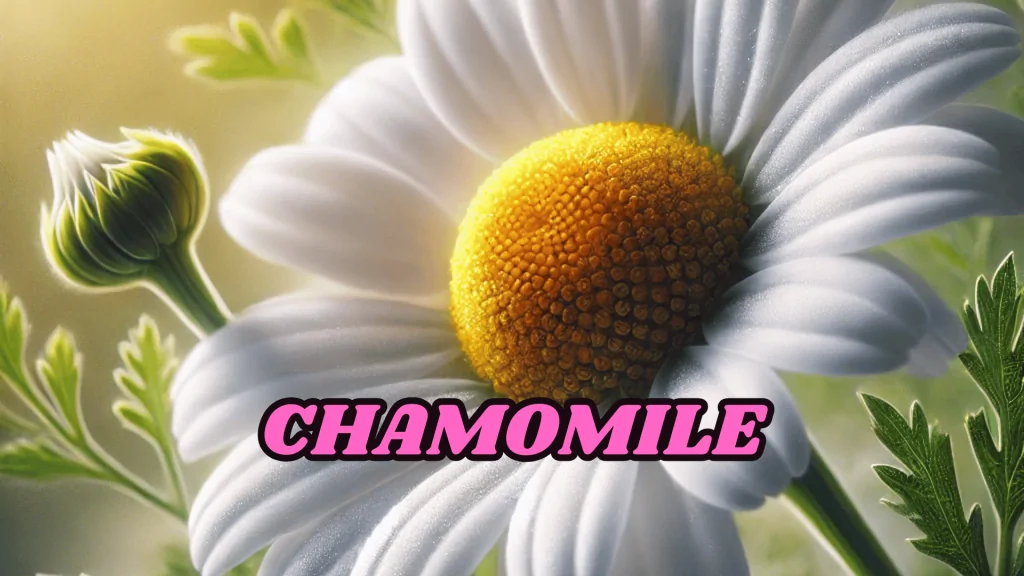
Chamomile flowers help people relax better and enable better sleep with improved digestion.
Natural medicine containing lavender serves as a therapeutic compound that helps to reduce emotional tension and psychological distress.
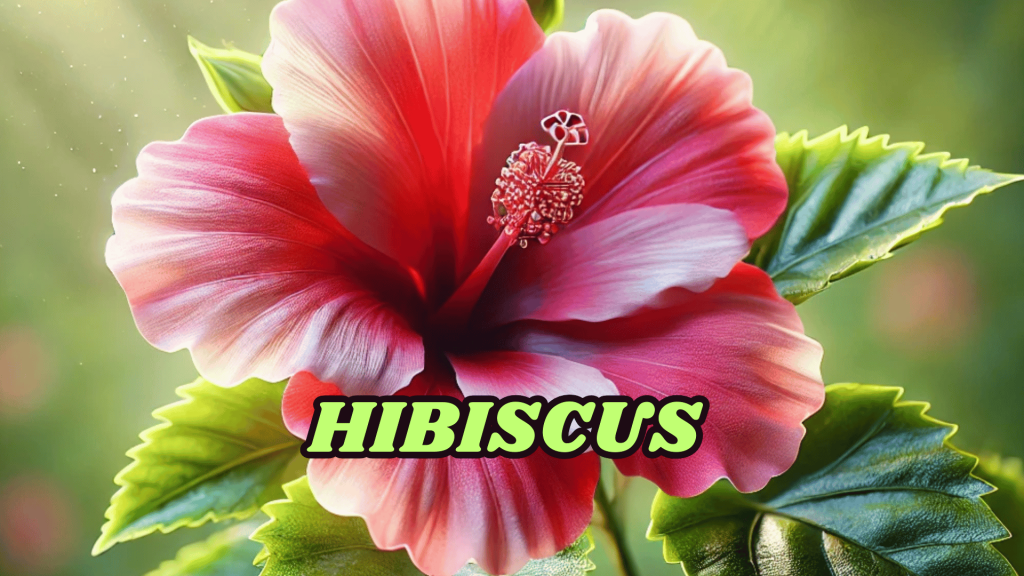
Two medical advantages of Hibiscus plant leaves simultaneously support heart health and lower blood pressure levels.
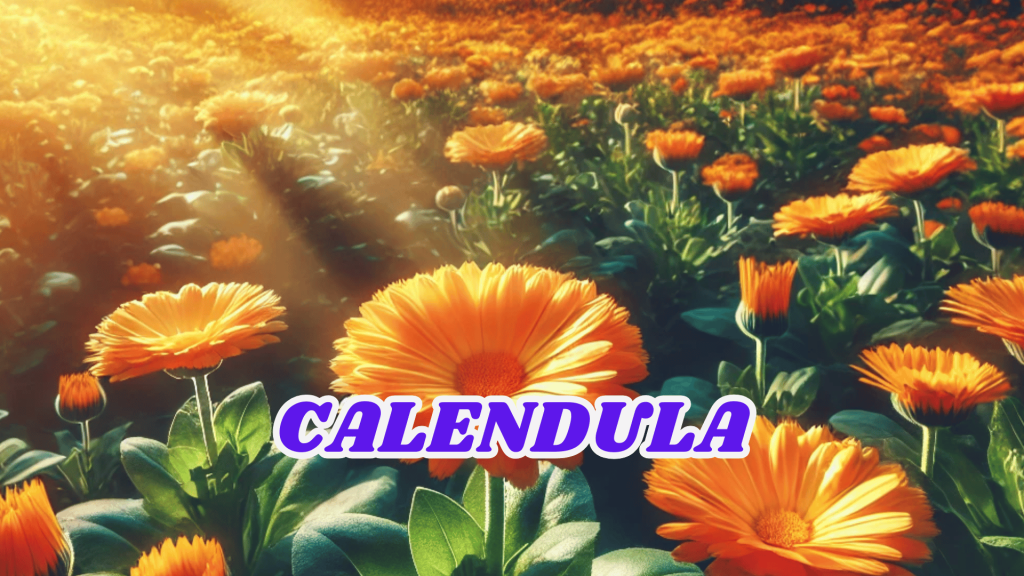
The unique medicinal properties of Calendula work well for skincare since they minimize inflammation.
Aromatherapy and Mental Well-Being
Scientists have verified that specific flower aromas work as effective treatments for mental health disorders. The mixture of jasmine rose and lavender scents generates three results to reduce stress levels along with improving moods and creating relaxation effects. Hospitals with wellness centers use specific flower varieties to craft peaceful environments which support their hospital visitors and patients.
5. The Role of Flowers in Agriculture and Food Production
Intact flowers are vital for agriculture since they enable pollination to produce fruits and vegetables and generate seeds. Edible flowers contribute food functionality by imparting both taste components and decorative appearance to eatable dishes while delivering additional food value.
Edible Flowers
Some specific flowers deliver two useful properties: their visual appeal and their capability to offer nutritious human food. Examples include:
The peppery nasturtium blooms serve well in salads when prepared as food ingredients.
Pansies work as flavor and decorative elements that improve desserts.
Roses are essential components in making dietary products that include jam preparations and syrup production and tea creation.
The consumption of edible flowers has expanded rapidly to complement gourmet restaurants as well as organic food establishments.
6. Environmental Benefits of Flowers
Plants practice environmental sustainability because they enhance soil quality while stopping erosion processes and draw helpful insects.
Soil Conservation
Soil erosion prevention and stability on ground surfaces function as attributes of flowering plants through their root systems. Wildflower use happens specifically in reforestation projects that work to restore land areas.
Attracting Beneficial Insects
The flowers within a habitat establish contact with beneficial insect populations such as ladybugs and praying mantises through their attractive nature to enable natural pest control. Floral attraction of beneficial insects enables organic farming methods through reduced dependency on chemical pesticides for sustainable agricultural techniques.
Conclusion
The floral arrangement provides benefits beyond its visual appearance since it maintains vital ecological life-support functions for Earth. Flowers deliver ecological worth as they enable food cultivation and support biodiversity and their value in human culture stems from their cultural and economic importance.
Flowers provide healthcare benefits through therapeutic qualities that work jointly to enhance human well-being as well as show their key place in our world. Through our understanding of flower value and our work to safeguard them we achieve better planet health and human existence quality.