Flowers of Thar Desert: 20 Different Desert Plants And Flowers
The Thar Desert is more than 200,000 square kilometers in size and stretches over Rajasthan, Gujarat, Punjab, and Haryana. It has low rain, hot temperatures, and land made of sand. Even so, life is able to live here in special and strong ways. The plants in the Thar Desert are hardy, like shrubs, grasses, and flowering types, that thrive in the desert’s salty and arid environment.
Thar’s desert flowers show both strength and elegance in very tough conditions. Their blooms in the short monsoon season turn some parts of the desert into beautiful landscapes.
How cultures are significant and their local stories.
Local Rajasthani culture and folklore include desert flowers.
For example:
Rohida flowers are treated as lucky and placed during religious events.
The Ker plant is viewed as a mainstay of Arabic and Tunisian foods.
Through songs and stories, flowering after rain in the desert shows hope and a new beginning.
Flowers are commonly used in festive decorations in Rajasthan to reflect the ties between local blooms and art and heritage.
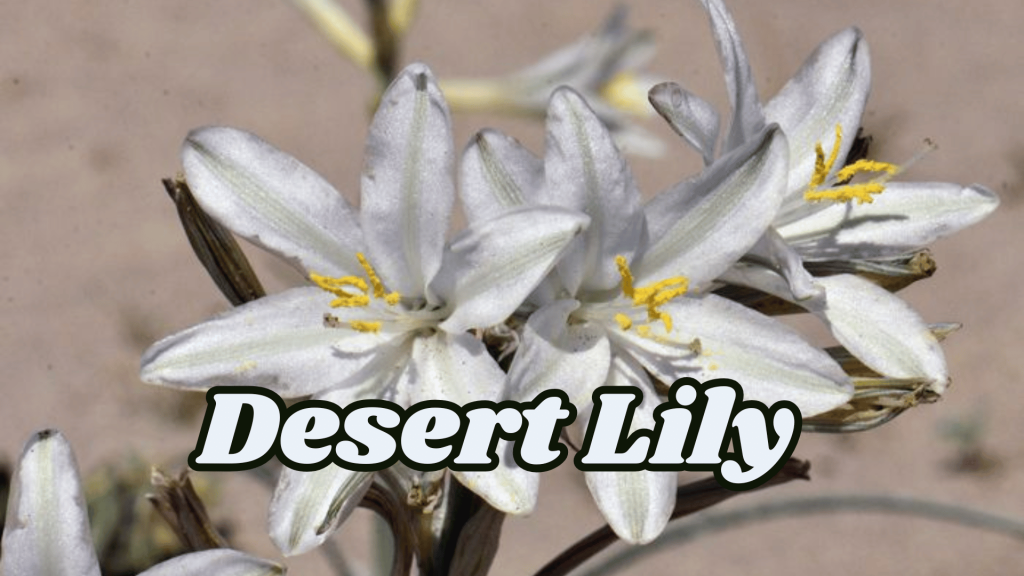
Desert Lily (Hesperocallis undulata)
This beautiful white flower called the Desert Lily does well in areas with sandy soil. Its sweet smell and shiny trumpet-shaped flowers show up only after very rare desert rains. It represents how brave and untainted desert dwellers can be.
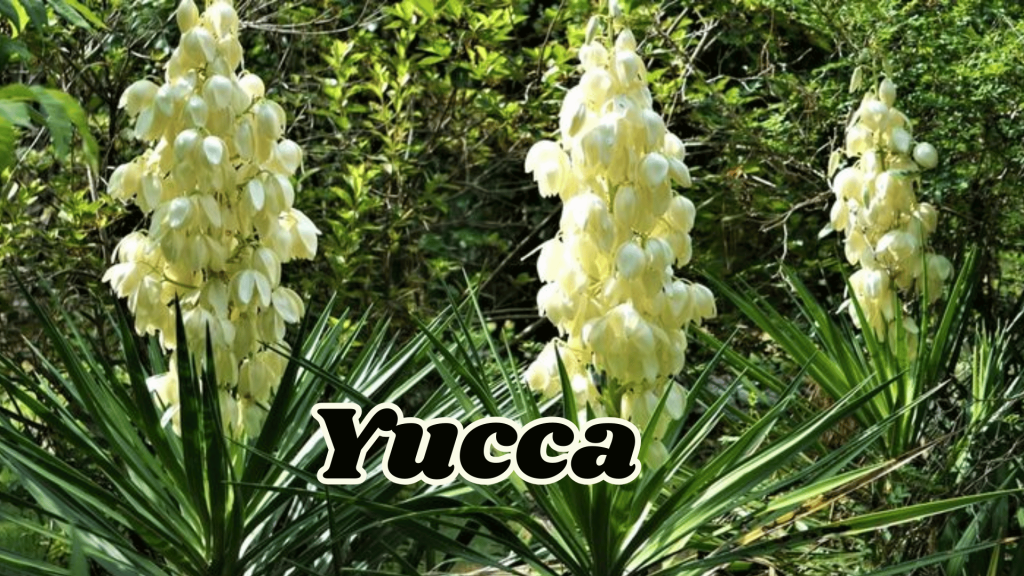
Yucca (Yucca spp.)
Because of their spiky leaves and white flowers, yucca plants are very well suited to desert conditions. The interesting thing about these flowers is they are found on tall stalks and depend on certain moths for pollination, making this one of the many relationships that survive in the difficult desert climate.
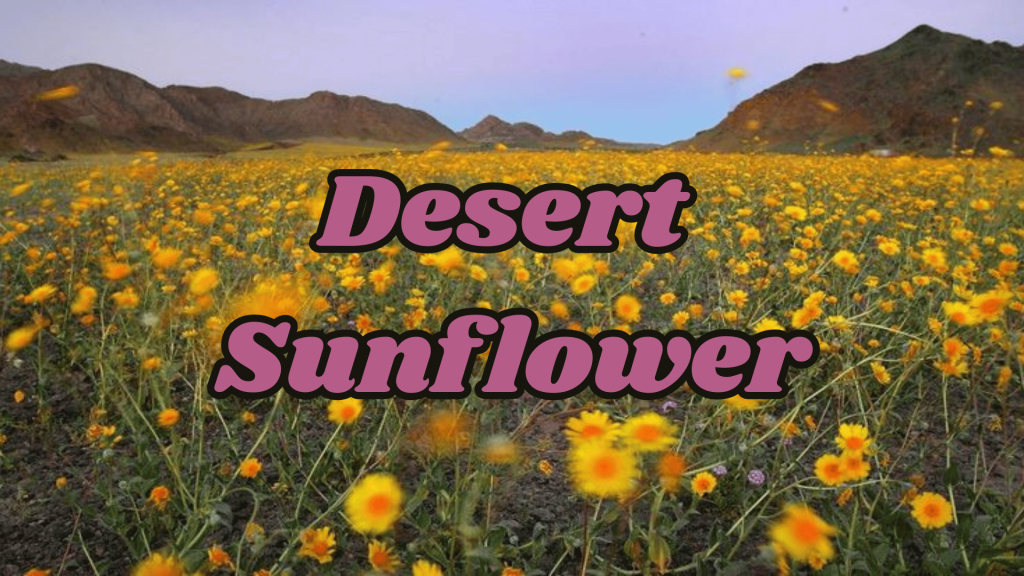
Desert Sunflower (Geraea canescens)
The cheerful Desert Sunflower is a symbol of spring time in dry places. In the right conditions, this wildflower covers the desert ground and draws bees and butterflies, which make the area less dry.
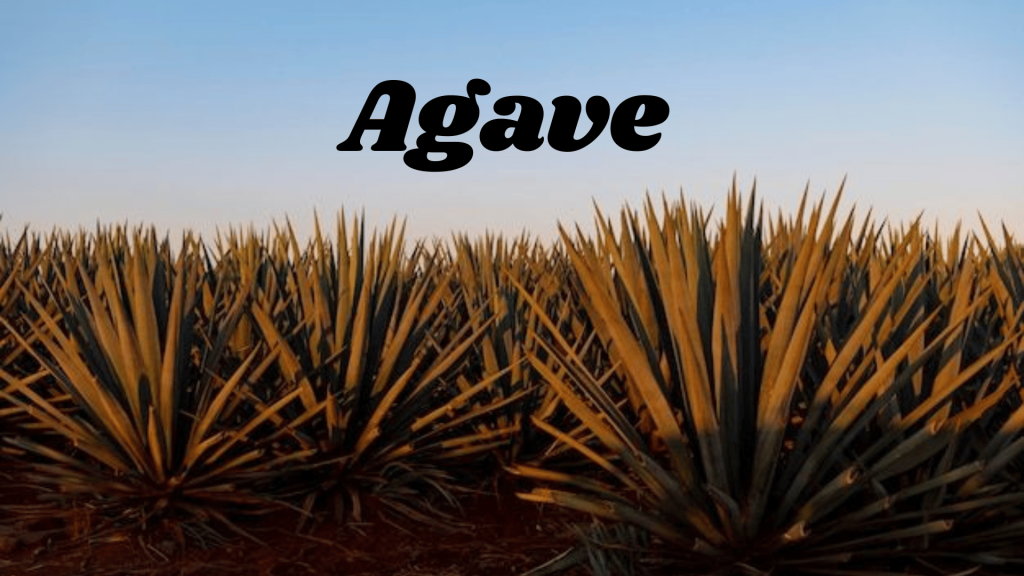
Agave (Agave spp.)
The leaves of these plants are fleshy and gather at their base, forming a rosette; they also have impressive tall flower spikes. Usually, they bloom just once in a lifetime and produce lots of yellow or green flowers together. Some plants are raised to be used in medicine and cooking.
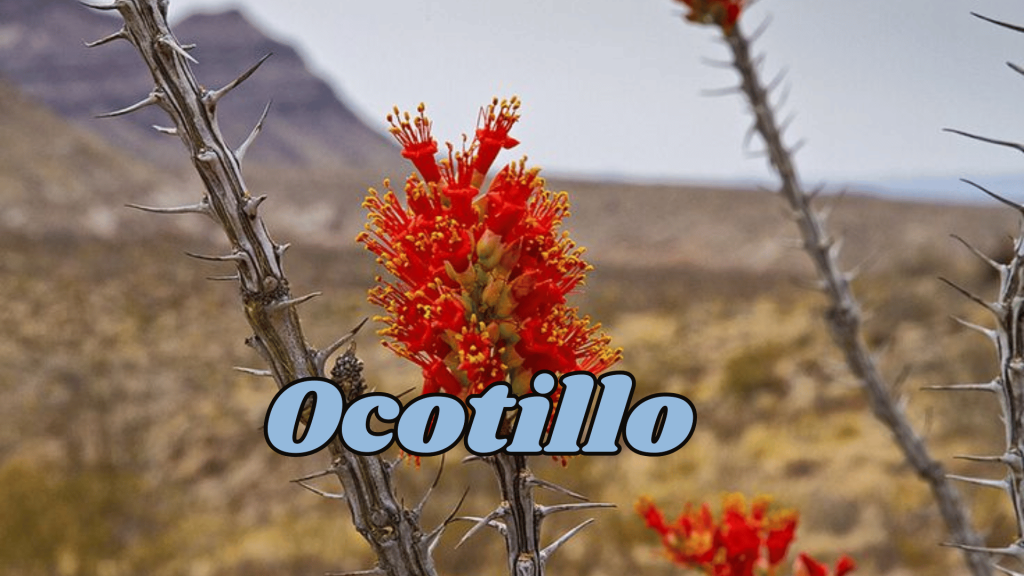
Ocotillo (Fouquieria splendens)
Ocotillo may not live in the Thar, but it grows in dry regions like it and its tubular flowers are striking red. The bright blooms appear after it rains, especially attracting hummingbirds. The tree’s special shape only adds to the captivating scenery of deserts.
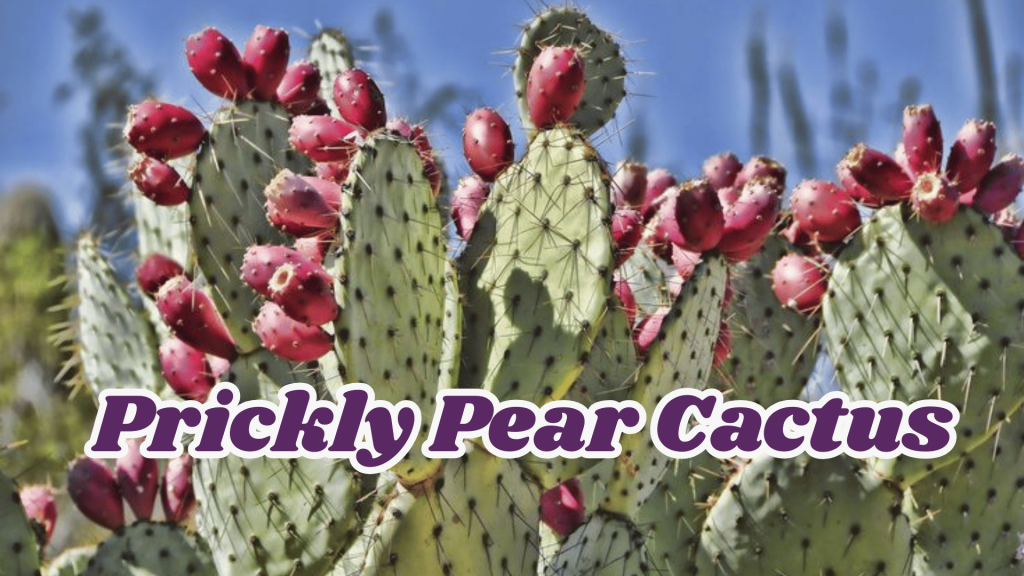
Prickly Pear Cactus (Opuntia spp.)
Prickly Pears belong to the cactus family and have flat, paddle-like stems as well as bright flowers in different colors. Apart from the appeal of their flowers, their fruit and pads are edible, helpful for both animals and people living in deserts.
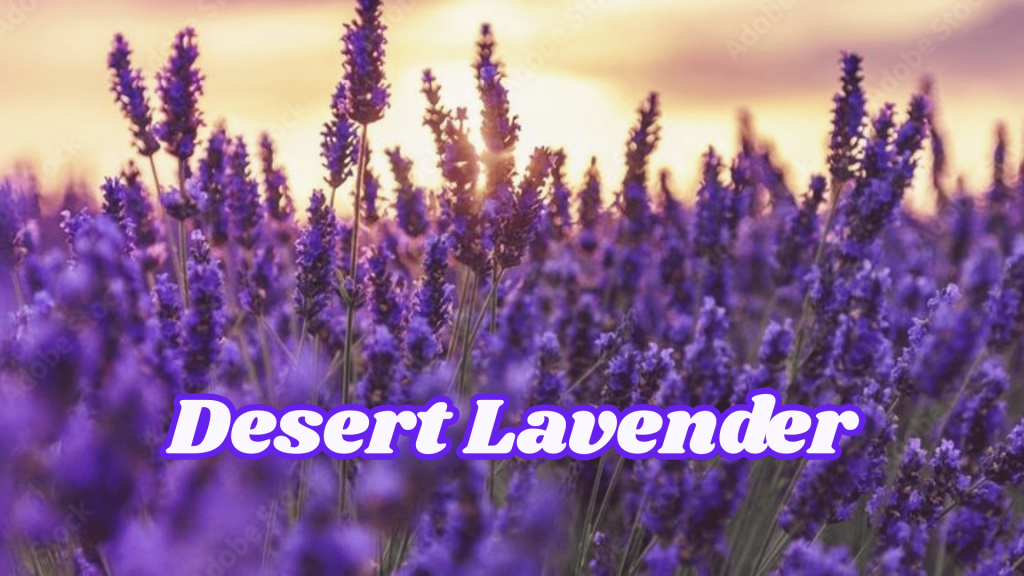
Desert Lavender (Condea emoryi)
Since its gray-green leaves and purple flowers appear under the dry climate, as well as for its smell, it adjusts very well to this type of setting. Visiting bees and serving as a plant to use for herbal preparations, Desert Lavender is useful and very nice to look at in the desert.
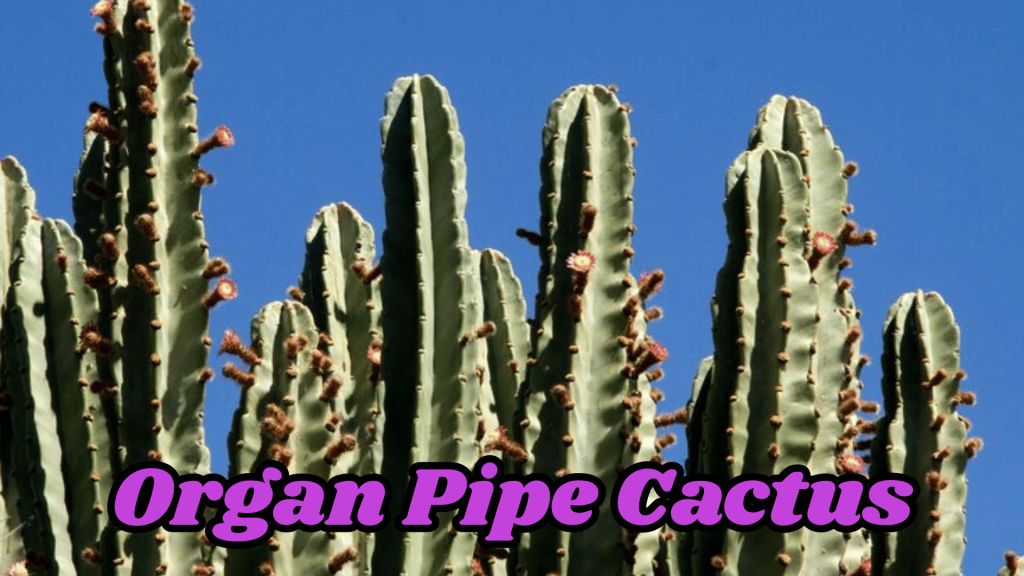
Organ Pipe Cactus (Stenocereus thurberi)
Because it resembles a pipe, the Organ Pipe Cactus is one of the desert’s unique plants. Even though it grows in the Sonoran Desert, it shares many features with Thar flora and provides white nighttime blossoms that bats help to pollinate in the summer.
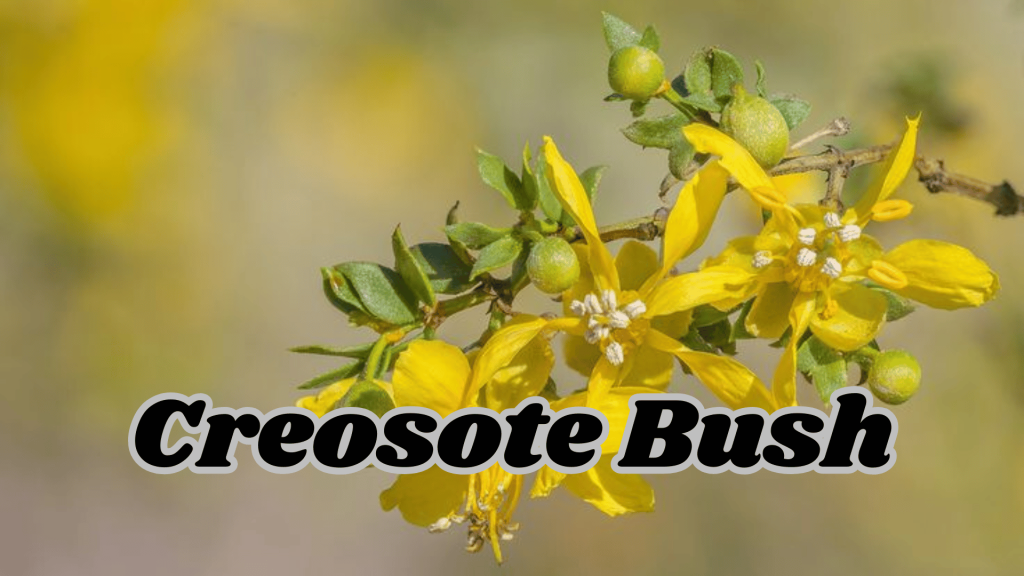
Creosote Bush (Larrea tridentata)
The Creosote Bush is famous for its lemon-yellow flowers and the strong smell of resin it gives off. This plant expands wherever the climate is very dry and regularly grows in the center of desert ecosystems. Many centuries ago, folk medicine relied on hormones to fight bacteria.
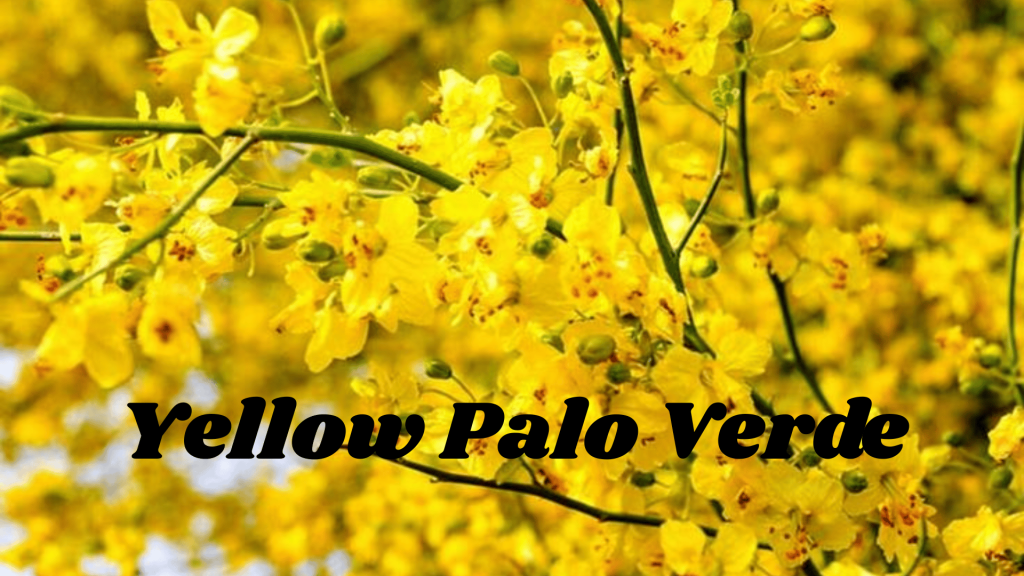
Yellow Palo Verde (Parkinsonia microphylla)
This type of small tree has yellow flowers and green bark that help the process of photosynthesis. Deserts might be tough, but cacti survive and give shelter and honey to creatures living in these areas.
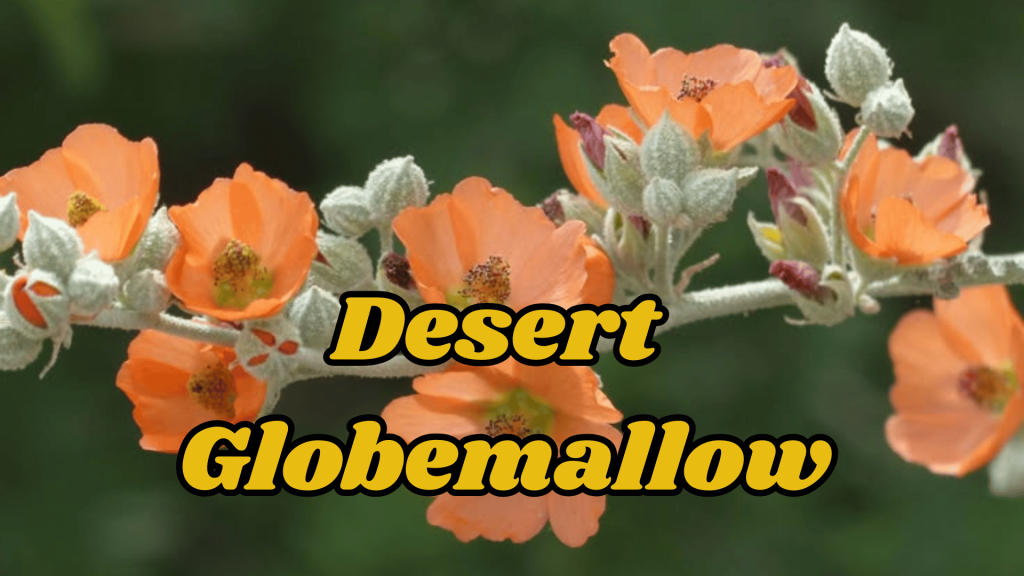
Desert Globemallow (Sphaeralcea ambigua)
Globemallows’ leaves are softer than many other plants and their flowers are orange or pink, shaped as a cup. Although they are able to withstand drought, they produce lots of flowers and supply desert bees with nectar. Herbs are part of folk medicine practices too.
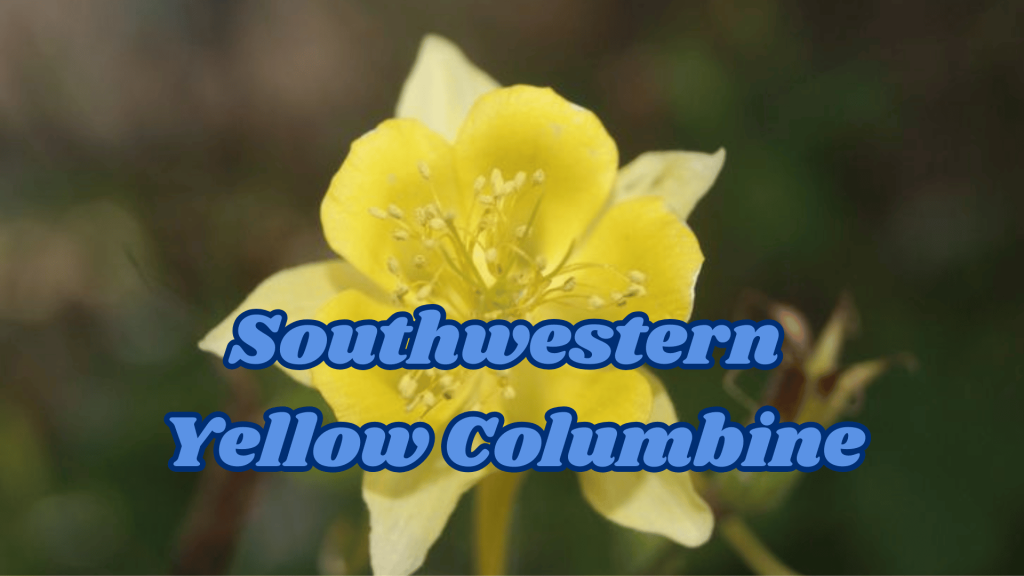
Southwestern Yellow Columbine (Aquilegia chrysantha)
Even though you mostly find them in desert canyons, Southwestern Yellow Columbine provides a splash of yellow wherever desert shadows appear. Because of its long spurs and attractive petals, it draws hummingbirds and butterflies.
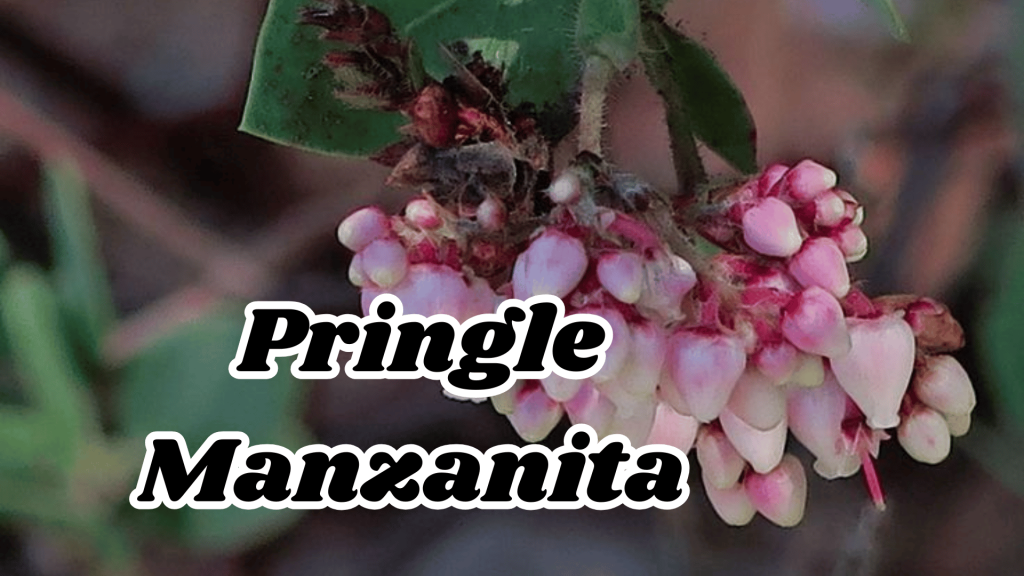
Pringle Manzanita (Arctostaphylos pringlei)
Pringle Manzanita is known for its red bark and urn-shaped pink flowers; it can be seen growing in dry rocky terrain. It gives food to animals and helps control soil movements, revealing how it helps preserve desert habitat.
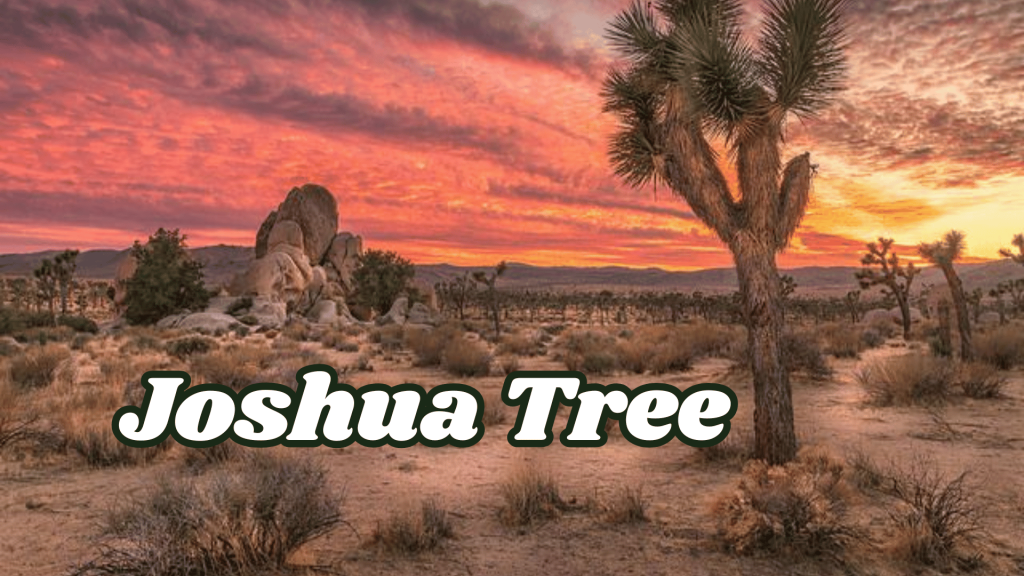
Joshua Tree (Yucca brevifolia)
Well-known for its shape, the Joshua Tree is a yucca known for its twisted branches and white-green blossoms. It can survive in very dry areas and makes forests in high deserts, showing the strength and captivating qualities of the desert.
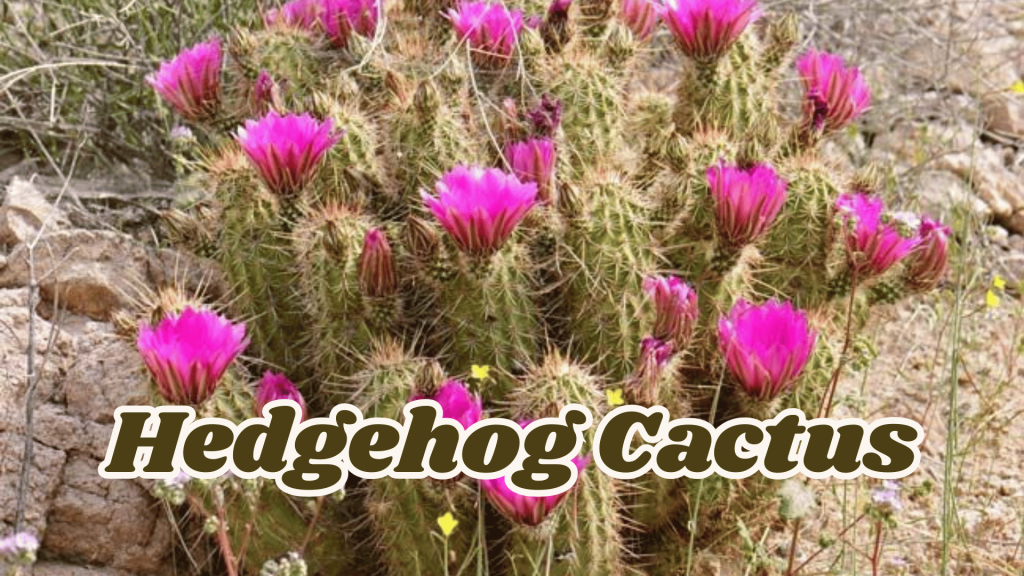
Hedgehog Cactus (Echinocereus spp.)
The Hedgehog Cactus plant is discreet and full of spines, but it blooms with lovely red, yellow, or magenta flowers. Clusters of these flowering plants are common and makeup some of the desert’s most photographed sights.
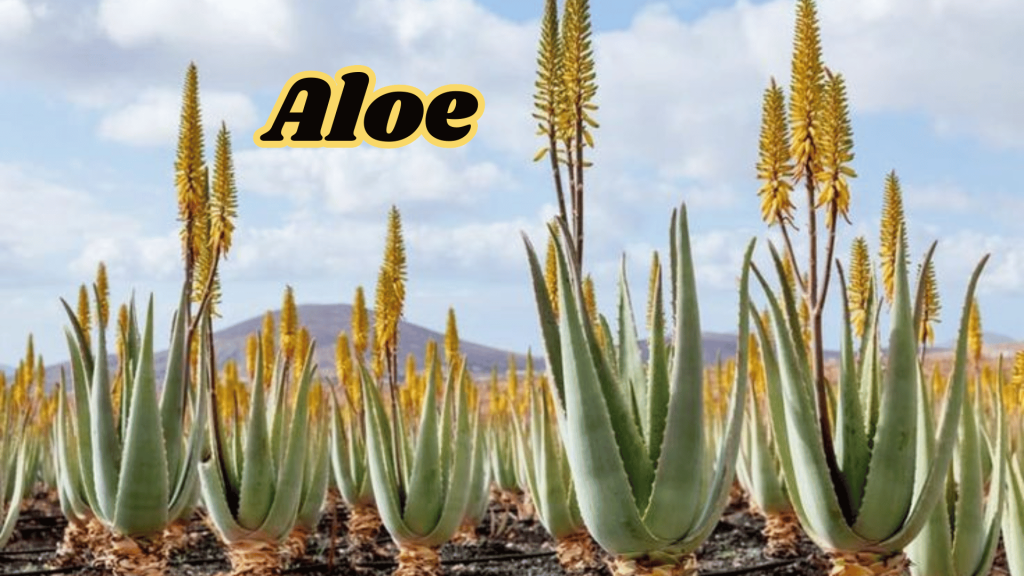
Aloe (Aloe vera)
Many people know that Aloe Vera can aid burns and skin well. This succulent is widely seen in arid regions such as the Thar Desert because it does well on little water. The leaves are fleshy on this plant and the flowers are long and shaped like tubes and come in orange or yellow.
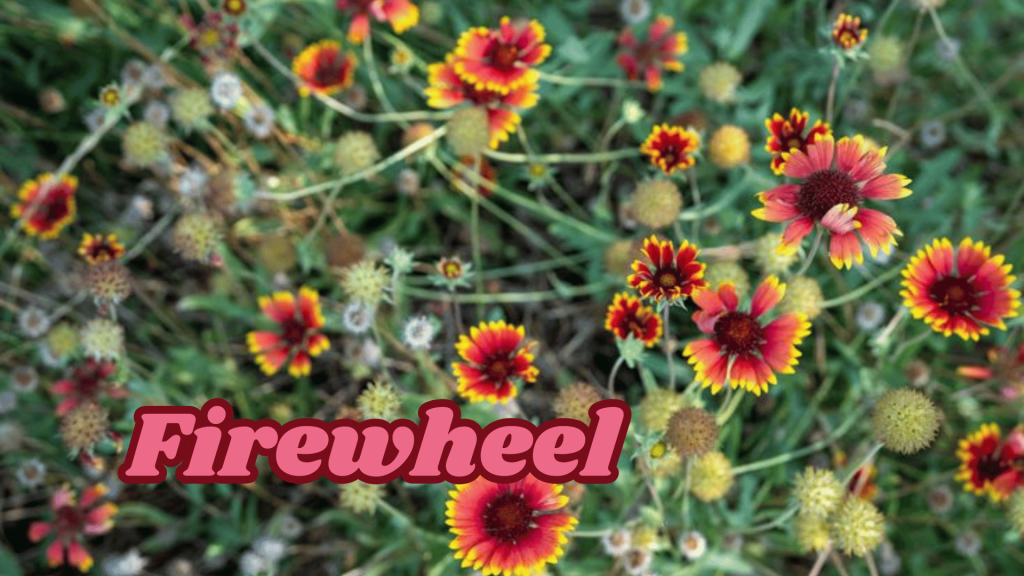
Firewheel (Gaillardia pulchella)
This flower is also called Indian Blanket because it has bright red and yellow petals like a daisy. No matter where it is planted, this flower really excels at bringing color to dry landscapes during the summer. People say this flower can tolerate heat conditions and attracts various pollinators.
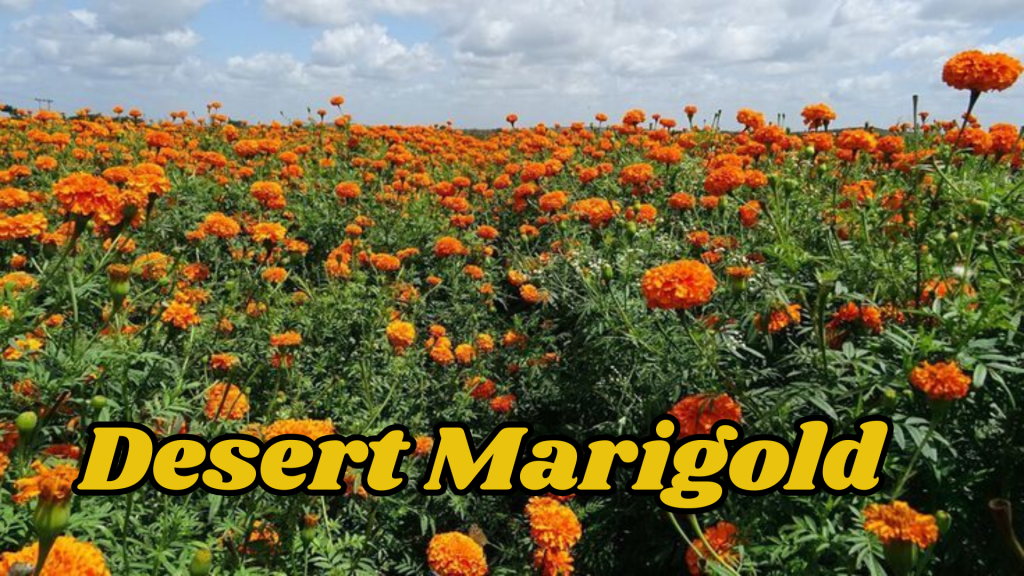
Desert Marigold (Baileya multiradiata)
During the spring to fall seasons, these bright yellow flowers grow just like daisies. Desert Marigold comes from desert regions and is commonly found along their roads. Because it can handle high temperatures, it is a favorite choice in xeriscaping.
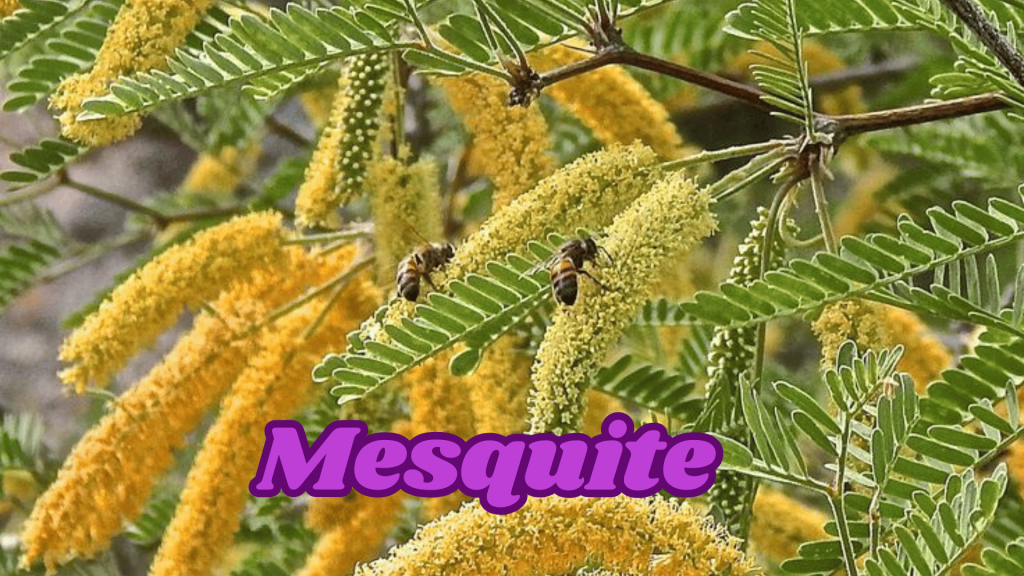
Mesquite (Prosopis spp.)
Resilience and deep roots allow mesquite trees to extract water that is underground. They bloom with small yellow flowers and provide support to desert farming, boost the condition of the soil, and can be eaten because of their nutritious pods.
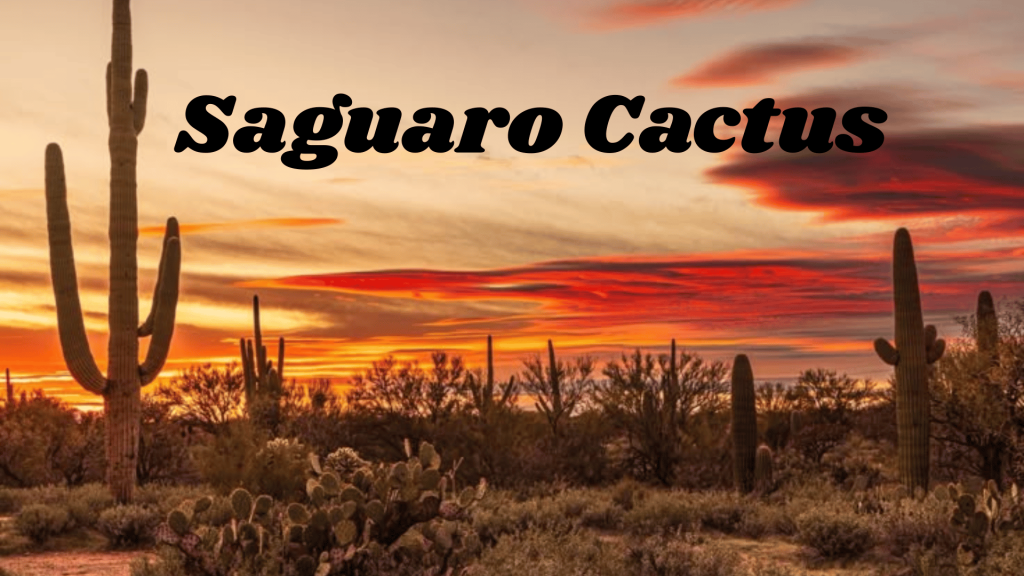
Saguaro Cactus (Carnegiea gigantea)
The Saguaro Cactus is the tallest cactus in North America, even though it doesn’t grow in the Thar, it is associated with the desert. It has large white flowers and the fruit they grow is red and edible. Many birds, for example the cactus wren and hawks, find shelter in cactus plants.
Experience the Beauty In Desert Plants
Thar Desert flowers and other kinds found in dry areas show that even in difficult conditions, life is not only possible but can do well. Cacti and succulents survive when it is very hot and dry by having long roots, wax coated leaves, flowers that appear at special times, and by storing water in their stems.
They have attractive natural sights, adapt very well, and lead to various ecological gains, meaning deserts are quite rich and biodiverse. Both in the past and today, the presence of these desert plants greatly helps support the local environment.