🌸 40+ Beautiful and Fascinating Flower Names in Greek
Flowers have always held a special place in human culture, symbolizing love, purity, rebirth, and beauty. In Greek culture, this symbolism runs deep—woven into mythology, language, and everyday life. From ancient temples to modern gardens, Greek flower names carry stories that span centuries. In this article, we’ll explore 40+ beautiful and fascinating flower names in Greek, their meanings, scientific names, and mythological connections.
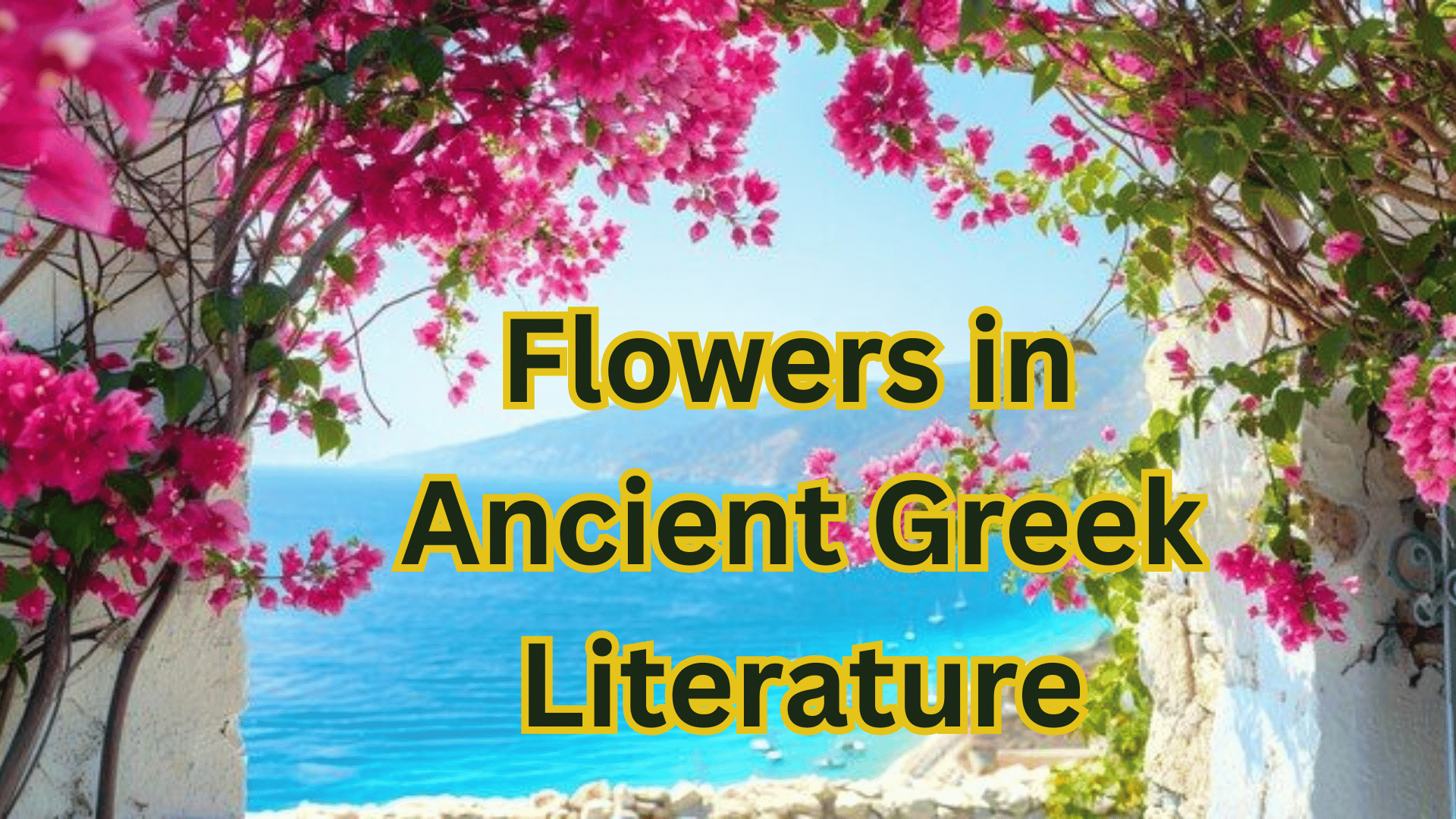
🌿 Why Greek Flower Names Matter
Greek flower names are more than just linguistic labels—they’re gateways to understanding the rich heritage of Hellenic culture. Many flowers are tied to gods and goddesses, epic love stories, and symbolic meanings that reflect emotions, seasons, and spiritual beliefs.
Whether you’re a language enthusiast, a gardener, or a mythology lover, learning these names offers a unique way to connect with Greece’s timeless beauty.
🌼 Popular Greek Flower Names with Meanings
Here’s a curated list of popular flowers Names in Greek, their Greek names, pronunciations, and symbolic meanings:
| English Name | Greek Name | Pronunciation | Symbolism / Myth |
|---|---|---|---|
| Rose | Τριαντάφυλλο (Triantafyllo) | tree-an-DAH-fee-lo | Love, Aphrodite’s flower |
| Lily | Κρίνος (Krinos) | KREE-nos | Purity, renewal |
| Sunflower | Ηλιοτρόπιο (Iliotropio) | ee-lee-o-TROH-pee-o | Devotion, Apollo |
| Hyacinth | Ιάκινθος (Yakinthos) | ee-AH-kin-thos | Tragic love, Apollo |
| Violet | Βιολέτα (Violeta) | vee-o-LEH-tah | Modesty, innocence |
| Daisy | Μαργαρίτα (Margarita) | mar-ga-REE-tah | Cheerfulness |
| Carnation | Γαρίφαλο (Garifallo) | gar-EE-fah-lo | Admiration, Zeus |
| Tulip | Τουλίπα (Toulipa) | too-LEE-pah | Elegance |
| Orchid | Ορχιδέα (Orchidea) | or-khee-THEH-ah | Exotic beauty |
| Jasmine | Γιασεμί (Yasemi) | yah-seh-MEE | Sensuality |
| Lavender | Λεβάντα (Levanta) | leh-VAHN-tah | Calm, healing |
| Peony | Παιωνία (Paionia) | pay-oh-NEE-ah | Healing, Paeon |
| Poppy | Παπαρούνα (Paparouna) | pah-pah-ROO-nah | Sleep, Demeter |
| Iris | Ίρις (Iris) | EE-rees | Rainbow, messenger goddess |
| Anemone | Ανεμώνη (Anemoni) | ah-neh-MOH-nee | Wind, Adonis’ blood |
| Lotus | Λωτός (Lotos) | LOH-tos | Enlightenment, Odysseus |
| Chrysanthemum | Χρυσάνθεμο (Chrysanthmo) | khree-SAN-thee-mo | Golden flower, Persephone |
| Aster | Αστέρι (Asteri) | ah-STEH-ree | Star, Aphrodite |
| Gladiolus | Γλαδιόλος (Gladiolos) | glah-dee-OH-los | Strength |
| Camellia | Καμέλια (Kamelia) | kah-MEH-lee-ah | Admiration |
| Freesia | Φρέζια (Frezia) | FREH-zee-ah | Innocence |
| Bougainvillea | Μπουκαμβίλια (Boukambilia) | boo-kam-VEE-lee-ah | Vibrancy |
| Calla Lily | Κάλλα (Kalla) | KAH-lah | Beauty |
| Snapdragon | Σναπντράγκον (Snapdragon) | snap-DRAGON | Strength |
| Dahlia | Ντάλια (Dalia) | DAH-lee-ah | Elegance |
| Zinnia | Ζίννια (Zinnia) | ZIN-nee-ah | Endurance |
| Magnolia | Μανόλια (Magnolia) | mah-NOH-lee-ah | Nobility |
| Lilac | Λιλάκι (Lilaki) | lee-LAH-kee | First love |
| Heather | Άγριο Ρόδο (Agrio Rodo) | AH-gree-oh ROH-doh | Solitude |
| Petunia | Πετούνια (Petounia) | peh-TOO-nee-ah | Resentment |
| Foxglove | Δάκτυλος (Daktylos) | DAK-tee-los | Protection |
| Crocus | Κρόκος (Krokos) | KROH-kos | Youth, Hermes |
| Delphinium | Δελφίνιον (Delphinion) | del-FEE-nee-on | Grace |
| Amaryllis | Αμαρυλλίς (Amaryllis) | ah-mah-ree-LEES | Pride |
| Aconite | Ακόνιτο (Akonito) | ah-KOH-nee-toh | Danger, Hades |
| Yarrow | Πούχα (Poucha) | POO-ha | Healing, Achilles |
| Daphne | Δάφνη (Daphne) | DAF-nee | Transformation, Apollo |
| Cistus (Rock Rose) | Κίστος (Kistos) | KEE-stos | Beauty, Medusa |
| Bleeding Heart | Αιμοστατήρας Καρδιά (Aimostatiras Kardia) | eye-mo-sta-TEE-ras kar-THEE-ah | Heartbreak |
🌺 Flowers in Greek Mythology
Greek mythology is full of stories where flowers are born from love, tragedy, and divine intervention:
- Hyacinth: Created from the blood of a youth accidentally killed by Apollo.
- Anemone: Sprouted from the tears of Aphrodite mourning Adonis.
- Narcissus: A youth who fell in love with his own reflection and became a flower.
- Rose: Said to be created by Chloris, goddess of flowers, from a lifeless nymph.
- Lotus: Linked to the Lotus-eaters who forgot their worldly cares after consuming the flower.
These stories add layers of meaning to each bloom, making them not just beautiful—but deeply symbolic.
🌸 Flowers in Greek Culture Today
In modern Greece, flowers continue to play a vital role in:
- Weddings: Brides wear floral wreaths symbolizing purity and new beginnings.
- Festivals: Flowers decorate altars and statues during religious celebrations.
- Remembrance: Blooms are placed on graves as a gesture of love and respect.
- Gardens: Greek homes often feature vibrant flowers like bougainvillea, jasmine, and geraniums.
🌼 Final Thoughts
Exploring Greek flower names is like stepping into a garden of history, mythology, and culture. Each name carries a story, a meaning, and a connection to the divine. Whether you’re learning Greek, planning a garden, or simply admiring nature, these floral treasures offer a beautiful way to connect with Greece’s timeless spirit.
Also check: Flower names in Japanese
FAQs
Q: Why are Greek flower names important?
A: Greek flower names maintain significance because they allow people to discover aspects of Greek heritage through language and cultural traditions along with mythological background. These names operate as more than mere labels since they enable people to explore Greek historical and symbolic practices.
Q: How do you pronounce “Ηλιοτρόπιο” (sunflower) in Greek?
A: “Ηλιοτρόπιο” is pronounced as “ee-lee-o-TROH-pee-o” in Greek.
Q: What is the Greek name for rose?
A: The Greek name for rose is “Τριαντάφυλλο” (pronounced as “tree-an-DAH-fee-lo”).
Q: Can you give an example of a Greek flower name with mythological connections?
A: Yes, “Ιάκινθος” (pronounced “ee-AH-kin-thos”) which means hyacinth, has connections to Greek mythology.
Q: What is the Greek word for daisy?
A: The Greek word for daisy is “μαργαρίτα” (pronounced “mar-ga-REE-tah”).
Q: How are flowers used in Greek traditions?
A: Flowers are used in various Greek traditions, including religious festivals, weddings (as bridal wreaths), and as offerings to gods in ancient times.
Q: Are Greek flower names still relevant in modern Greek culture?
A: Yes, Greek flower names remain an integral part of both old and new traditions in Greece, carrying cultural significance and emotional meaning.
Q: How can learning Greek flower names enhance my understanding of Greek culture?
A: Learning Greek flower names can provide insights into Greek mythology, language, and cultural practices, offering a unique perspective on both ancient and contemporary Greek civilization.