List of Lovely Flowers Name in Assamese and English Language
The geographical territory of Assam features both verdant natural landscapes and diverse biological diversity which contains numerous types of beautiful flowers. The blooms enhance Assam’s landscape with vibrant colors while achieving importance in both cultural traditions and everyday life of the indigenous people.
The guide presents the extensive floral resources of Assam through names listed in both Assamese and English along with cultural and environmental values of each plant.
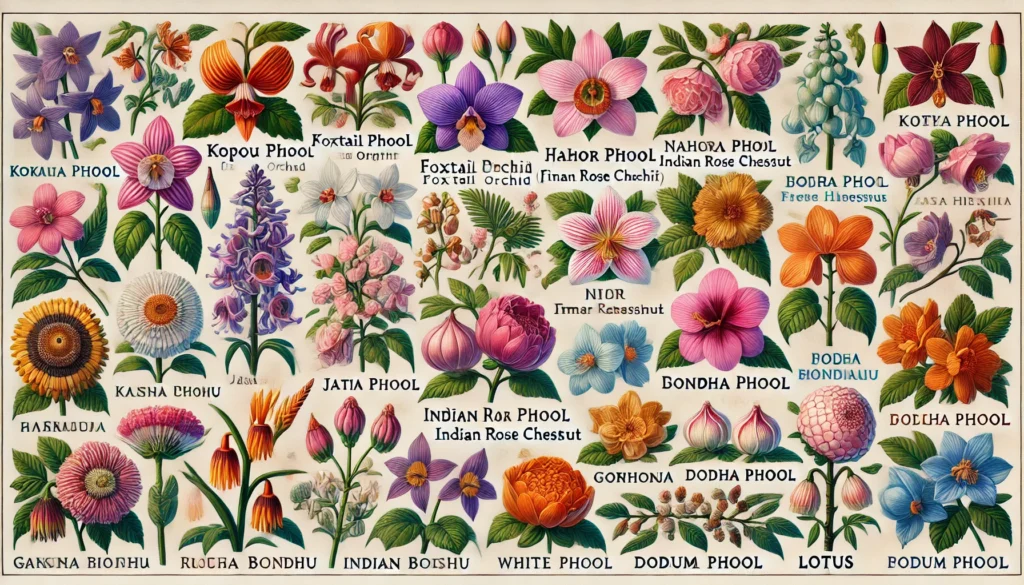
50 Flowers Name In Assamese
| Sr No. | Assamese Name | Pictures | Hindi Name | English Name |
|---|---|---|---|---|
| 1 | গুলাপ (Gulap) |  | गुलाब (Gulab) | Rose |
| 2 | পদ্ম (Podum) | 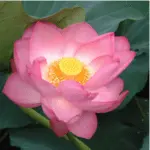 | कमल (Kamal) | Lotus |
| 3 | জুই (Jui) | 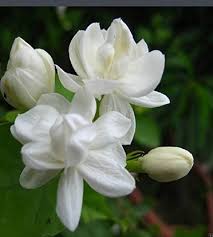 | जुई (Juhi) | Jasmine |
| 4 | অপরাজিতা (Aparajita) | 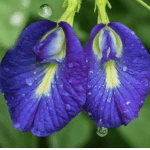 | अपराजिता (Aparajita) | Butterfly Pea |
| 5 | ৰজনীগন্ধা (Rojonigondha) | रजनीगंधा (Rajnigandha) | Tuberose | |
| 6 | গোটা (Gota) | गेंदा (Genda) | Marigold | |
| 7 | শিউলি (Shiuli) | शिउली/परिजात (Shiuli/Parijat) | Night Jasmine | |
| 8 | কেতকী (Keteki) | केतकी (Ketaki) | Pandanus | |
| 9 | চামেলী (Chameli) | चमेली (Chameli) | Chameli | |
| 10 | লিলি (Lily) | कुमुदिनी (Kumudini) | Lily | |
| 11 | সূৰ্যমুখী (Surjomukhi) | सूर्यमुखी (Suryamukhi) | Sunflower | |
| 12 | বকুল (Bakul) | बकुल (Bakul) | Spanish Cherry | |
| 13 | অৰ্হ (Arh) | अर्क (Arka) | Calotropis | |
| 14 | কপাউৰ (Kapaor) | चंपा (Champa) | Champa | |
| 15 | ধতুৰা (Dhotura) | धतूरा (Dhatura) | Datura | |
| 16 | কদম (Kodom) | कदम (Kadam) | Kadamba | |
| 17 | কৃষ্ণচূড়া (Krishnachura) | गुलमोहर (Gulmohar) | Gulmohar | |
| 18 | ৰঙাফুল (Rongaphul) | लाल फूल (Lal Phool) | Red Flower (generic) | |
| 19 | জবা (Jaba) | जवा (Jawa) | Hibiscus | |
| 20 | কপৌ ফুল (Kapou Phul) | कॉटन फूल (Kapas Phool) | Cotton Flower | |
| 21 | সেউজীয়া (Seujiya) | हरसिंगार (Harsingar) | Harsingar | |
| 22 | শেফালী (Shefali) | शेफाली (Shefali) | Shefali | |
| 23 | মধুৰি (Madhuri) | माधवी (Madhavi) | Madhavi | |
| 24 | মলয়া (Maloya) | मोगरा (Mogra) | Arabian Jasmine | |
| 25 | কচ (Koch) | कमलिनी (Kamalini) | Water Lily | |
| 26 | বেলী (Beli) | बेला (Bela) | Bela | |
| 27 | কুসুম (Kusum) | कुसुम (Kusum) | Kusum Flower | |
| 28 | শতমূলী (Shatomuli) | शतमूली (Shatmuli) | Clitoria | |
| 29 | শতমুখী (Shatomukhi) | शतावरी (Shatavari) | Shatavari | |
| 30 | টিউলিপ (Tulip) | ट्यूलिप (Tulip) | Tulip | |
| 31 | অর্কিড (Orchid) | आर्किड (Orchid) | Orchid | |
| 32 | বক (Bok) | नागकेसर (Nagkesar) | Ironwood | |
| 33 | সেউজ কুসুম (Seuji Kusum) | हरा कुसुम (Hara Kusum) | Green Flower | |
| 34 | ভৃঙ্গরাজ (Bhringoraj) | भृंगराज (Bhringaraj) | False Daisy | |
| 35 | সেউফুল (Seuful) | सेमल (Semal) | Silk Cotton Flower | |
| 36 | অগস্তি (Agasti) | अगस्त्य (Agastya) | Sesbania | |
| 37 | ৰজনী (Rojoni) | रातरानी (Raatrani) | Night Blooming Jasmine | |
| 38 | চিৰজীৱী (Chirjibi) | अमरबेल (Amarbel) | Amarbel | |
| 39 | জবা শ্বেত (Jaba Swet) | सफेद जवा (Safed Jawa) | White Hibiscus | |
| 40 | কপৌৰী (Kapaori) | कनेर (Kaner) | Oleander | |
| 41 | শতমুখী জবা (Shatomukhi Jaba) | गुड़हल (Gudhal) | China Rose | |
| 42 | পলাশ (Polash) | पलाश (Palash) | Flame of the Forest | |
| 43 | সেউজী লতা (Seuji Lata) | हरी बेल (Hari Bel) | Green Vine Flower | |
| 44 | মহুয়া (Mahua) | महुआ (Mahua) | Mahua | |
| 45 | আমলতাশ (Amaltash) | अमलतास (Amaltas) | Golden Shower | |
| 46 | গন্ধৰাজ (Gandharaj) | गंधराज (Gandharaj) | Gardenia | |
| 47 | ডাহুক ফুল (Dahuk Phool) | लिली (Lily) | Water Lily | |
| 48 | চম্পক (Champak) | चंपक (Champak) | Champak | |
| 49 | গগই ফুল (Gogoi Phool) | गुलदाउदी (Guldavdi) | Chrysanthemum | |
| 50 | মধুৰ ফুল (Madhur Phool) | मधु फूल (Madhu Phool) | Sweet Flower (generic) |
Also check: 12+ Astonishing Flowers That Start With A
Iconic Flower Culture In Assamese
Flowers play a central role in Assamese culture, deeply integrated into various aspects of daily life, festivals, and traditions:
- During Bihu Festival dancers carry the Kopou Phool (Foxtail Orchid) as an essential dance element to represent beauty along with grace.
- The traditional religious services use Jati Jasmine and Boga Bondhu White Hibiscus as significant offerings and ritual components.
- The traditional attire of Assam includes floral patterns especially in luxurious Muga silk sarees.
- The practice of painting and sculpting as well as other folk arts in Assamese customs often includes flower designs together with flower-related themes.
- Literary works from Assam often use flowers as metaphors that symbolize the simultaneous representation of natural beauty and romantic love with transient life.
- In Assamese traditional medicine people utilize different flowers to obtain their healing potential.
- The Assamese people often devote their attention to home gardening specifically flower cultivation as a common pastime.
Ecological Role of Flowers in Assamese
The diverse flora of Assam plays crucial ecological roles:
- The abundant biodiversity in Assam receives substantial support from its various flowers which sustain different ecosystems.
- Numerous native flowers serve as essential nourishment for pollinators such as bees together with butterflies and birds.
- The presence of wild blooming plants in soil helps minimize erosion particularly in sloping regions.
- Environmental health status can be tracked through certain flower species acting as indicator species among many other plants.
- A significant portion of flowers exist at the base of local food web systems to support both herbivorous organisms and predators within the chain.
- The aquatic flower Water Lilies participates in maintaining water quality in ponds and lakes.akes.
What is the Effect of Assamese Life from Flowers?
Flowers have a profound impact on Assamese life:
- The Kopou Phool and other flowers represent both traditional cultural elements of the Assamese people.
- Through the floriculture industry many Assamese people obtain their livelihood income.
- Assam’s flower festivals along with botanical gardens bring visitors to the region thus enhancing its economic potential.
- Traditional medicine as well as aromatherapy use numerous flowers for their therapeutic effects.
- The Assamese population finds that the natural attractiveness of flowers results in improved life quality as well as better mental state.
- Environmental Awareness: The rich floral diversity fosters a sense of environmental stewardship among locals.
- Activities involving flowers such as gardening along with festival preparation create a bond that unites social groups.
Assamese Life Professionalism of Flowers
The flower industry in Assam has given rise to various professional opportunities:
- Floriculture professionals raise flowers of different varieties for local and export markets both domestically and internationally.
- Floral Design practitioners focus on arranging flowers to serve events along with weddings and religious services.
- The particular research in botany conducted in Assam enables scientists to add new knowledge to worldwide botanical science.
- Traditional healers in their treatments employ local flower extraction.
- The natural attractions of Assam are displayed to tourists through the specialized botanical tours of eco-tourism guides.
- Florals from local Assamese flowers become an important design element that textile designers use for handmade local clothing.
- Round-the-Year Training: Educational institutions provide specific courses which focus on floriculture and horticulture fields.
- Some professionals produce essential oils through extracting natural scents from flowers which they later utilize for perfumery and therapeutic purposes.
Happiness and Sadness of Life’s
The Assamese people utilize flowers as vital elements to share emotions together with celebrating significant life moments.
Happiness:
- Sunlight serves as the foremost element in traditional Assamese celebrations because it represents happiness as well as new beginnings.
- During the Bihu dance occasion people use Kopou Phool to express their joy about their Assamese cultural heritage.
- Apart from flowers the practice of giving bouquets stands as an important gift tradition which represents love and appreciation.
- A domestic environment appears more sunny when people decorate their homes with fresh flowers.
Sadness:
- Death ceremonies find use of white lotuses to demonstrate sympathy to mourners.
- Flowers become a memorial tradition for remembering the deceased through placement at memorials.
- Native flower species face increasing threat of extinction because of deforestation and climate change trends.
- The conclusion of flowering seasons following Bihu brings about nostalgic feelings to many people.
Conclusion
The Assamese lifestyle deeply incorporates flowers which connect deeply with the cultural aspects alongside natural and economic structures of the region. Each blossom found throughout Assam from the celebrated Kopou Phool to the strange orchid species inhabits the forests communicates tales about the state’s natural heritage and human-nature connection.
Flying species face serious environmental pressures in Assam while it is essential to protect these floral resources because their conservation impacts global biodiversity.Sustainable management principles and appropriate resource appreciation in Assam will protect its floral legacy which allows it to thrive for coming generations.
FAQs
Q: What is the state flower of Assam?
A: The state flower of Assam is the Foxtail Orchid, locally known as Kopou Phool (কপৌফুল).
Q: Which flower is most commonly used in Assamese Bihu celebrations?
A: The Kopou Phool (Foxtail Orchid) is an integral part of Bihu celebrations, especially worn by women dancers.
Q: Are there any rare flowers found in Assam?
A: Yes, Assam is home to several rare orchid species, including the Blue Vanda (Vanda coerulea) and the Ghost Orchid (Dendrophylax lindenii).
Q: What is the significance of the Nahor flower in Assamese culture?
A: The Nahor flower (Indian Rose Chestnut) is considered auspicious and is often used in religious ceremonies and traditional medicine.
Q: Which Assamese flower is known for its medicinal properties?
A: The Brahma Kamal (Saussurea obvallata) is renowned for its medicinal properties in traditional Assamese medicine.