50 Enormous Flowers Name In Telugu with English Pronunciation
The Telugu cultural tradition heavily depends on flowers because they decorate both temples and homes and festivals while bringing pleasant aromas and vibrant colors together. Multiple species of plants found in Andhra Pradesh and Telangana have created a substantial collection of flower names in the Telugu language. The study investigates fifty massive blooms that lists their Telugu terminology together with their pronunciation in English as it explores their cultural value and botanical properties and practical applications.
The Importance of Flowers in Telugu Culture
In Telugu culture, flowers hold a special place in various aspects of life:
- During religious worship known as puja Hindus use flowers to offer them to deities and temples depend on flowers for their rituals.
- The Bathukamma festival shows religious significance because women construct ornate flower arrangements.
- Flowers occupy a vital position in Telugu weddings because they decorate both spaces and beautify bridal hair ornaments.
- The healing characteristics of different flowers enable their usage within traditional Ayurvedic medical treatments.
- The presence of flowers appears throughout Telugu poetry as well as literature and traditional art formats.
Table of 50 Enormous Flowers with Telugu Names and English Pronunciations
| S. no. | Picture | English Name | Telugu Name | English Pronunciation |
|---|---|---|---|---|
| 1 | 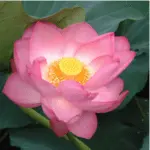 | Lotus | తామర | Taamara |
| 2 | 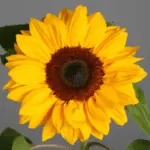 | Sunflower | పొద్దుతిరుగుడు | Poddutirugudu |
| 3 | 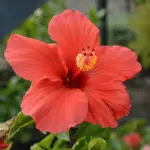 | Hibiscus | దసానిపువ్వు | Dasaanipuvvu |
| 4 | 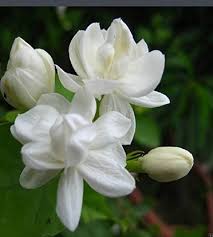 | Jasmine | మల్లెపువ్వు | Mallepuvvu |
| 5 | 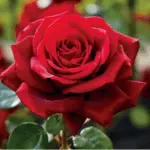 | Rose | గులాబి | Gulaabi |
| 6 | 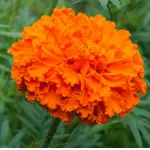 | Marigold | బంతిపువ్వు | Bantipuvvu |
| 7 | 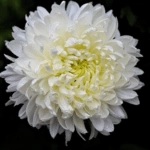 | Chrysanthemum | చామంతి | Chaamanti |
| 8 | 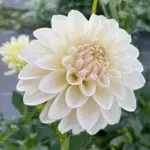 | Dahlia | డాలియా | Daaliyaa |
| 9 | 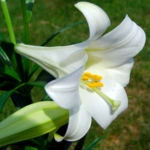 | Lily | లిల్లీ | Lillee |
| 10 | 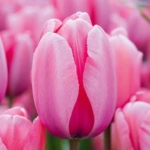 | Tulip | ట్యూలిప్ | Tyoolip |
| 11 | 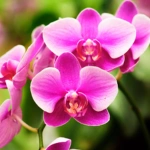 | Orchid | ఆర్కిడ్ | Aarkid |
| 12 | 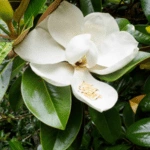 | Magnolia | మాగ్నోలియా | Maagnoliyaa |
| 13 | 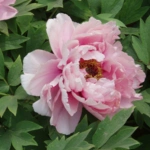 | Peony | పియోని | Piyoni |
| 14 | 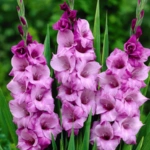 | Gladiolus | గ్లాడియోలస్ | Glaadiyolas |
| 15 | 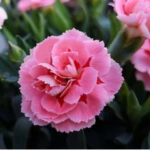 | Carnation | కార్నేషన్ | Kaarneshon |
| 16 | 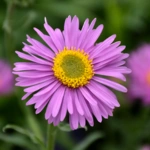 | Aster | ఆస్టర్ | Aastar |
| 17 | 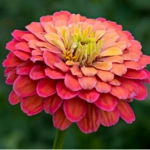 | Zinnia | జిన్నియా | Jinniyaa |
| 18 | 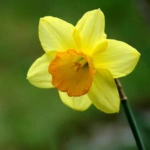 | Daffodil | డాఫోడిల్ | Daafodil |
| 19 | 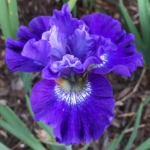 | Iris | ఐరిస్ | Airis |
| 20 | 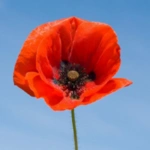 | Poppy | పాపి | Paapi |
| 21 | 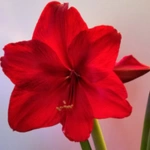 | Amaryllis | అమరిల్లిస్ | Amarillis |
| 22 | 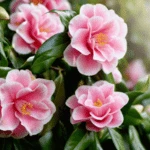 | Camellia | కమేలియా | Kameliyaa |
| 23 |  | Gerbera | గెర్బెరా | Gerberaa |
| 24 | 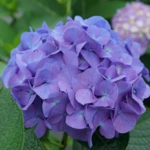 | Hydrangea | హైడ్రేంజియా | Haidreinjiyaa |
| 25 | 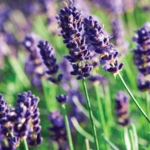 | Lavender | లావెండర్ | Laavendar |
| 26 | 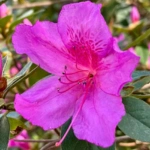 | Azalea | అజేలియా | Ajeliyaa |
| 27 | 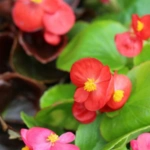 | Begonia | బెగోనియా | Begoniyaa |
| 28 | 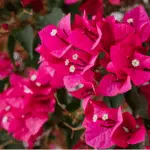 | Bougainvillea | బౌగన్విల్లియా | Bauganvilliyaa |
| 29 | 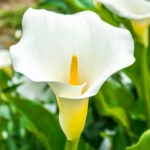 | Calla Lily | కాలా లిల్లీ | Kaalaa Lillee |
| 30 | 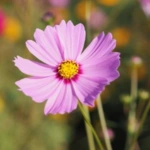 | Cosmos | కాస్మోస్ | Kaasmos |
| 31 | 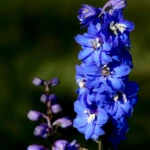 | Delphinium | డెల్ఫినియమ్ | Delfiniyam |
| 32 | 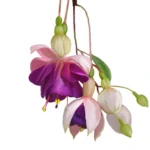 | Fuchsia | ఫ్యూచ్సియా | Fyoochsiyaa |
| 33 | 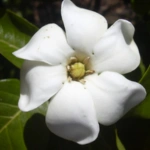 | Gardenia | గార్డెనియా | Gaardeniyaa |
| 34 | 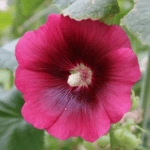 | Hollyhock | హాలీహాక్ | Haaleehak |
| 35 | 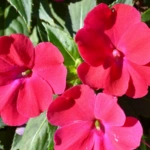 | Impatiens | ఇంపేషెన్స్ | Impeshens |
| 36 | 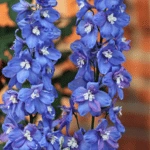 | Larkspur | లార్క్స్పర్ | Laarkspar |
| 37 | 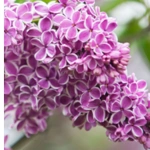 | Lilac | లైలాక్ | Lailaak |
| 38 | 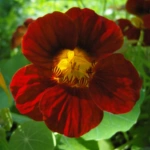 | Nasturtium | నాస్టర్షియమ్ | Naastarshiyam |
| 39 | 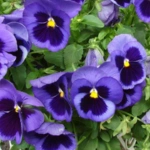 | Pansy | పాన్సీ | Paansee |
| 40 | 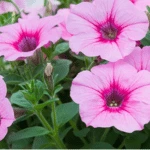 | Petunia | పిట్యూనియా | Pityooniyaa |
| 41 | 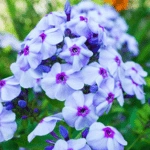 | Phlox | ఫ్లాక్స్ | Flaaks |
| 42 | 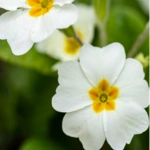 | Primrose | ప్రైమ్రోజ్ | Praimroj |
| 43 | 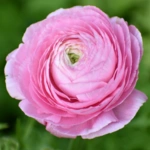 | Ranunculus | రనన్కులస్ | Ranankulas |
| 44 | 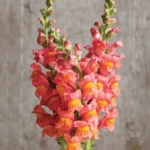 | Snapdragon | స్నాప్డ్రాగన్ | Snaapdragan |
| 45 | 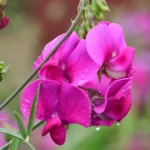 | Sweet Pea | స్వీట్ పీ | Sweet Pee |
| 46 | 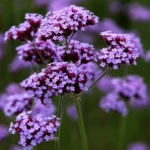 | Verbena | వెర్బీనా | Verbinaa |
| 47 | 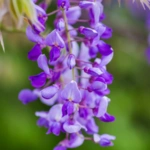 | Wisteria | విస్టీరియా | Visteeriyaa |
| 48 | 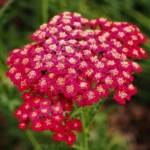 | Yarrow | యారో | Yaaro |
| 49 | | Zinnia | జిన్నియా | Jinniyaa |
| 50 | 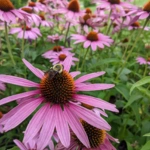 | Coneflower | కోన్ఫ్లవర్ | Konflowar |
Botanical Characteristics and Cultural Significance
Further examination will be conducted on the most notable flowers found in the list.
Lotus (తామర – Taamara)
Botanical name: Nelumbo nucifera
Characteristics: Aquatic plant with large, circular leaves and pink or white flowers
Cultural significance: National flower of India, symbol of purity and enlightenment in Hinduism and Buddhism
Jasmine (మల్లెపువ్వు – Mallepuvvu)
Botanical name: Jasminum
Characteristics: Small, white, fragrant flowers
Muslim traditions use this flower during religious rituals both for headwear and scent preparation.
Marigold (బంతిపువ్వు – Bantipuvvu)
Botanical name: Tagetes
Characteristics: Bright orange or yellow flowers with a strong scent
Cultural significance: Used in religious ceremonies and as decorations during festivals
Chrysanthemum (చామంతి – Chaamanti)
Botanical name: Chrysanthemum
The flowers come in various forms along with multiple color possibilities which define this species.
The plant holds dual value as a symbol of a long life and it appears in traditional Ayurvedic medical practices.
Hibiscus (దసానిపువ్వు – Dasaanipuvvu)
Botanical name: Hibiscus rosa-sinensis
Characteristics: Large, trumpet-shaped flowers in various colors
The flower possesses dual religious value since people offer it to deities and utilize it in traditional medicines and hair care practices.
Flowers in Telugu Festivals and Traditions
The Telugu people observe numerous major festivals and traditional customs that use flowers as a central element:
As part of the Telangana Bathukamma celebration women assemble Bathukamma flower arrangements by combining marigolds and chrysanthemums and celosia.
Telugu New Year Ugadi features home decoration that combines mango leaves with floral elements consisting of jasmine and marigolds.
Flowers occupy vital positions in Telugu wedding traditions because they decorate both marriage canopies and adorn wedding brides with jasmine flower adornments.
The practice of daily worship in Puja consists of presenting flowers to deity figures while different flowers maintain designated relationships with deities.
Flowers in Telugu Literature and Art
Through the ages Telugu masters have continuously drawn their creative power from flowers.
1. Poetry
Throughout their literature Tikkana and Pothana together with other classical Telugu poets embraced flower metaphor to illustrate beauty and emotional states.
2. Painting
Traditional Kalamkari art which originated from Andhra Pradesh traditionally includes floral designs.
3. Dance
Traditional Kuchipudi classical dances use flower symbolism both in their dancing choreography and their costume creations.
Medicinal Uses of Flowers in Telugu Culture
Many flowers listed have traditional medicinal uses in Telugu culture:
- People utilize Hibiscus as a hair treatment agent while using it to treat fever symptoms.
- Marigold functions as a wound remedy as well as a treatment for skin conditions when applied topically.
- Jasmine: Used in aromatherapy for stress relief and as a natural coolant
- Medical practitioners use several plant parts of Lotus in Ayurvedic preparations to address skin diseases and digestive problems.
- The plant chrysanthemum finds use in herbal tea preparations because it has both headache medications and cooling benefits.
Cultivation and Gardening
Many of these flowers are popular choices for home gardens in Telugu-speaking regions:
- The tropical and subtropical climate of Andhra Pradesh and Telangana creates favorable conditions for cultivated plant blossoms.
- A diversity of flowers emerges through different seasons which results in garden color during every month of the year.
- The city people grow potted flowering plants including hibiscus and jasmine as well as marigolds in their balcony and terrace gardens.
- Modern agricultural practices grow marigolds together with chrysanthemums and roses commercially for making floral arrangements and religious products in addition to the cut flower business.
Conservation Efforts
Native flower species from Telugu-speaking regions struggle because of habitat disappearance together with climate disruptions.
The Botanical Garden of Forest Research Institute in Hyderabad operates as an institution for native plant species preservation and research.
Programs which aim to teach people the value of maintaining native plant species form part of the public awareness initiatives.
The practice of sustainable harvesting involves supporting sustainable methods for harvesting wild flowers which are used in traditional medicine as well as rituals.
Conclusion
Multiple species in Telugu-speaking areas find their reflection through an extensive floral terminology within the language. Floral beauty enhances landscapes of the Telugu-speaking regions and serves multiple cultural religious and medicinal purposes. The Telugu culture establishes inherent meanings that attach to each flower starting from the sacred lotus through to jasmine. Our knowledge of the diverse flower culture in Telugu traditions enables us to protect these natural resources for future Telugu communities.
Throughout Telugu life flowers maintain their fundamental position while uniting people with nature and traditional heritage between daily worship and festivals and traditional medicine practices. This list comprises fifty enormous flowers which represent only a small portion of the extensive floral diversity found within Telugu language and culture and each flower comes with a distinct historical value and spiritual meaning in South Indian traditions.
FAQs
Q.1 Which cultural significance leads Telugu traditions to place such importance on flowers?
A. Flowers serve as a fundamental part throughout both traditional Telugu customs and modern Telugu daily practices. People use flowers on a regular basis within Telugu society because they appear in religious offerings at temples and they decorate the hair of women and they serve as decorative elements for traditional holidays such as Bathukamma and Ugadi. These flowers provide more than visual appeal because they represent important spiritual symbols while holding medical properties in Telugu culture.
Q.2 This list provides me with Telugu flower names while helping me learn them effectively.
A. Flower enthusiasts will find this collection extremely useful because it serves as an easy reference guide. The list contains 50 common flowers that provide English names and Telugu names together with straightforward English pronunciation. This list provides convenient knowledge for Telugu plant vocabulary building and festive flower display mastery.
Q.3 The plants in the list have applications in traditional healthcare practices.
A: Absolutely! Traditional medicine records long-term use of numerous flowers as medicinal agents. Hibiscus benefits the hair while marigolds provide skin treatment benefits and jasmine serves as an anxiety reliever. Ayurvedic medicine employs lotus flowers for two purposes including digestion treatment and skin therapies.
Q.4 Which flowers serve as the primary floral selection during Telugu festive celebrations?
A. Marigolds and chrysanthemums and jasmine together with celosia are the preferred flowers for Telugu festivals. Women create extraordinary floral displays at Telugu festivals particularly during Bathukamma events because these flower types act as its superstar components. These flowers can be seen throughout Ugadi festive events and temple ceremonies.
Q.5 The people residing in Telugu-speaking regions can they grow these flowers within their homes?
A: You bet! These regions of Andhra Pradesh and Telangana boast ideal atmospheric conditions for the growth of various flower species. You do not need a large garden to grow hibiscus jasmine and marigolds because city apartment balconies provide suitable spaces for these plants. The tradition of planting these flowers serves as an excellent way to blend nature with traditions inside your home.