9+ Knowledgeable Flowers That Start With K
Discover the universe of flowers beginning with the alphabet sequence K. A previous article mentioned Hindi flower names yet this piece concentrates specifically on this plant taxonomy. Nature presents itself through amazing diversity as these names represent much more than a simple list.
Kaffir Lily delicately unveils its petals in a way that resembles a perfectly made artistic masterpiece. One can find the Kangaroo Paw flower which genuinely resembles its analytical namesake. Among many K-named floral examples the Kaffir Lily and Kangaroo Paw are unique representatives of this unexpected plant group.
Exploring these flowering plants serves more purposes than memorizing vocabulary. People can find special traits and coloring as well as distinctive forms throughout these specific flowers during this learning journey. Garden enthusiasts together with nature admirers will find enchantment in these hidden blooms among plant life.
🌸 Kalanchoe – The Vibrant Succulent That Symbolizes Eternal Love
Scientific Name: Kalanchoe blossfeldiana
Common Names: Flaming Katy, Widow’s Thrill, Madagascar Widow’s Thrill
Kalanchoe is a stunning succulent plant known for its compact clusters of brightly colored flowers, ranging from red and pink to orange and yellow. Its vibrant blooms and fleshy green leaves make it a favorite for indoor gardening, gift arrangements, and seasonal décor.
Native to Madagascar, Kalanchoe typically blooms during late winter to early spring, bringing a splash of color when most other plants are dormant. This makes it an ideal choice for winter floral displays and low-light indoor spaces.
🌿 Symbolism and Meaning
Kalanchoe is often associated with eternal love, unwavering devotion, and resilience. Its long-lasting flowers and minimal care requirements reflect the idea of enduring affection and strength in simplicity.
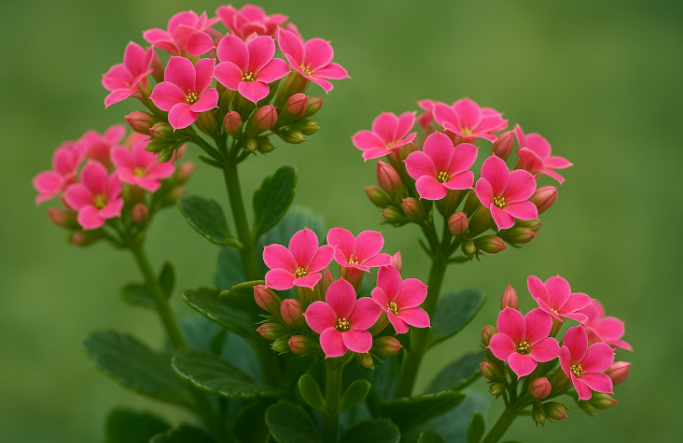
Key Features:
Bloom Time: Winter to start spring
Colors: Red, pink, orange, yellow
Height: 6-12 inches
Sun Requirement: Bright, indirect light
To care for kalanchoe properly one should plant it in a drained soil mix and allow the substrate to dry between watering. A plant of this type requires minimal water quantity because too much water can cause root rot.
🔥 Kniphofia – The Fiery Bloom That Brings Drama to Your Garden
Scientific Name: Kniphofia uvaria
Common Names: Red Hot Poker, Torch Lily
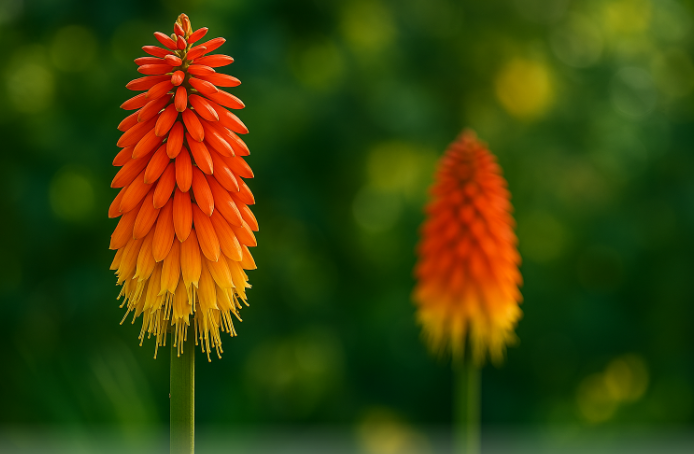
Kniphofia is a striking perennial plant known for its upright, tubular flowers that resemble a flaming torch—hence the nickname Red Hot Poker. Its dramatic blooms transition from fiery red at the top to bright yellow at the base, creating a bold visual impact in any garden setting.
Native to Africa, Kniphofia thrives in sunny, well-drained environments and is especially valued for its vertical growth habit, which adds height and structure to garden landscapes. Its vibrant flowers are also a magnet for hummingbirds and pollinators, making it both beautiful and ecologically beneficial.
🌿 Symbolism and Meaning
Kniphofia symbolizes enthusiasm, energy, and excitement. Its flame-like appearance and bold colors reflect a sense of passion and vibrancy, making it a perfect choice for gardeners who want to make a statement.
Key Features:
Bloom Time: Summer to fall
Colors: Red, orange, yellow
Height: 2-5 feet
Sun Requirement: Full sun
Plants of Kniphofia need to be planted in soils that drain well. After establishment Kniphofia becomes drought-tolerant although it performs best when watering occurs during dry seasons
🌸 Kalmia – The Evergreen Beauty of Mountain Laurel
Scientific Name: Kalmia latifolia
Common Name: Mountain Laurel
Kalmia latifolia, commonly known as Mountain Laurel, is a stunning evergreen shrub native to the eastern United States. It is admired for its star-shaped flowers, which bloom in clusters and range in color from white and soft pink to deep red. These delicate blossoms, with their unique spring-like bent stamens, add a touch of elegance to woodland gardens and shaded landscapes.
Thriving in cool, shaded environments, Kalmia is a favorite among gardeners looking to add year-round greenery and seasonal floral charm. Its dense foliage and ornamental blooms make it a standout in naturalistic and formal garden designs.
🌿 Symbolism and Meaning
Kalmia symbolizes perseverance and ambition. Its ability to flourish in shaded, less-than-ideal conditions reflects a spirit of determination and quiet strength. The plant’s evergreen nature also represents endurance and lasting beauty.
Key Features:
Bloom Time: end spring to start summer
Colors: Pink, white, red
Height: 5-15 feet
Sun Requirement: Partial shade to full sun
Plant Kalmia under acidic soil conditions which contains well-draining elements. The plants need cool and wet environments with afternoon sun protection to thrive.
🌼 Kerria – The Cheerful Bloom That Brightens Spring Gardens
Scientific Name: Kerria japonica
Common Name: Japanese Kerria
Kerria japonica is a charming deciduous shrub known for its bright yellow, rose-like flowers that bloom in early to mid-spring. Its arching branches and cheerful blossoms add a lively touch to gardens, especially when planted along borders, hedges, or informal garden structures.
Native to East Asia, Kerria thrives in partially shaded areas and is appreciated for its double-layered flower varieties, which enhance its visual appeal. The plant’s graceful form and vibrant color make it a favorite for cottage-style gardens and naturalistic landscapes.
🌿 Symbolism and Meaning
Kerria symbolizes joy, happiness, and carefree living. Its sunny blooms and easy-going nature reflect a spirit of lightness and celebration, making it a perfect addition to gardens designed to uplift and inspire.
Key Features:
Bloom Time: Spring
Colors: Yellow
Height: 3-8 feet
Sun Requirement: Partial shade to full sun
When planting Kerria opt for free draining soil. The matured plant requires minimal care when planted in any type of soil.
🌺 Kohleria – The Tropical Gem That Radiates Warmth Indoors
Scientific Name: Kohleria
Common Name: Kohleria
Kohleria is a captivating tropical flowering plant known for its velvety leaves and vibrant tubular blooms in shades of red, orange, and pink. Native to Central and South America, this plant thrives in warm, humid environments, making it an ideal choice for indoor gardening and greenhouse cultivation.
Its soft foliage and cheerful flowers add a splash of color and texture to interior spaces, making it a favorite among plant collectors and home décor enthusiasts. Kohleria blooms generously with proper care, offering a long-lasting display that brightens any room.
🌿 Symbolism and Meaning
Kohleria symbolizes warmth, affection, and comfort. Its cozy appearance and vibrant blossoms reflect a sense of emotional warmth and welcoming energy, making it a perfect plant for creating a nurturing indoor atmosphere.
Key Features:
The blooming season for Kohleria plants varies according to the species they belong to.
Colors: Red, orange, pink
Height: 1-2 feet
Sun Requirement: Bright, indirect light
For the best care plant Kohleria in a mix with proper drainage. The plant needs humid conditions along with steady moisture but becomes prone to root decay from excessive water.
🌸 Knautia – The Pincushion Bloom That Embodies Togetherness
Scientific Name: Knautia macedonica
Common Name: Macedonian Scabious
Knautia macedonica is a charming perennial flowering plant known for its pincushion-shaped blooms in rich shades of purple and deep red. These long-flowering beauties are a favorite in cottage gardens, wildflower meadows, and pollinator-friendly landscapes, thanks to their ability to attract butterflies and bees throughout the growing season.
Native to southeastern Europe, Knautia thrives in sunny, well-drained soils and adds a soft, romantic touch to garden beds with its delicate yet vibrant flower heads.
🌿 Symbolism and Meaning
Knautia symbolizes unity and togetherness. Its clustered blooms reflect harmony and connection, making it a meaningful addition to gardens designed to evoke peace, community, and natural balance.
Key Features:
Bloom Time: Summer to fall
Colors: Deep red, purple
Height: 1-2 feet
Sun Requirement: Full sun
The best planting spot for Knautia includes draining soil. After establishment Knautia plants show resistance to dry conditions and trimming dead blossoms will help the flowers produce new blooms continuously.
🌼 Kirengeshoma – The Rare Yellow Waxbells of Woodland Gardens
Scientific Name: Kirengeshoma palmata
Common Name: Yellow Waxbells
Kirengeshoma palmata, commonly known as Yellow Waxbells, is a rare and elegant perennial native to the woodlands of Japan and Korea. This shade-loving plant is admired for its thick, waxy, bell-shaped yellow flowers that bloom in late summer, offering a unique and exotic touch to shaded garden spaces.
Its deeply lobed foliage and upright stems give it a bold architectural presence, making it a standout in woodland gardens, shaded borders, and naturalistic landscapes. Though not commonly found, its rarity adds to its charm and appeal among plant collectors and garden designers.
🌿 Symbolism and Meaning
Kirengeshoma symbolizes uniqueness and rarity. Its uncommon beauty and graceful form reflect a sense of individuality and quiet elegance, making it a meaningful addition to gardens that celebrate the extraordinary.
Key Features:
Bloom Time: End summer to Start Autumn
Colors: Yellow
Height: 3-4 feet
Sun Requirement: Partial to full shade
Plant Kirengeshoma successfully by placing it in well-drained moist soil. These plants thrive best in areas with shaded conditions while preferred regular water during periods of dryness.
🌿 Kunzea – The Resilient Native That Thrives Where Others Struggle
Scientific Name: Kunzea
Common Name: Kunzea
Kunzea is a genus of hardy shrubs and small trees native to Australia and New Zealand, known for their fluffy white or pink flowers that bloom in dense clusters. These plants are especially valued in coastal gardens and nutrient-poor soils, where they thrive with minimal care and bring life to otherwise challenging landscapes.
With their fine-textured foliage and soft, aromatic blooms, Kunzea species are not only beautiful but also beneficial—many are used in essential oil production and native habitat restoration.
🌸 Symbolism and Meaning
Kunzea symbolizes resilience and adaptability. Its ability to flourish in harsh, dry, and nutrient-depleted environments makes it a powerful symbol of strength, endurance, and natural balance.
Key Features:
Bloom Time: Spring to summer
Colors: White, pink
Height: 3-10 feet, depending on species
Sun Requirement: Full sun
Keep Kunzea in a spot with well-draining soil to ensure good growth. The plants become resistant to water scarcity after they reach full growth while needing low care for upkeep.
🌺 Kennedia – The Adventurous Climber of Australian Gardens
Scientific Name: Kennedia
Common Name: Coral Vine
Kennedia is a fascinating genus of climbing and trailing plants native to Australia, known for their pea-like flowers in striking shades of red, pink, and even black. These vigorous growers are ideal for covering fences, trellises, and garden walls, adding both color and structure to outdoor spaces.
Belonging to the legume family, Kennedia species are not only ornamental but also beneficial for the soil, thanks to their nitrogen-fixing abilities. Their lush foliage and bold blooms make them a standout in coastal gardens and native plant landscapes.
🌿 Symbolism and Meaning
Kennedia symbolizes adventure and exploration. Its climbing nature and vibrant flowers reflect a spirit of growth, curiosity, and boldness, making it a perfect plant for gardens that celebrate movement and discovery.
Key Features:
Bloom Time: Spring to summer
Colors: Red, pink, black
Height: Kennedia grows as a climbing vine which extends to 20 feet and beyond.
Sun Requirement: Full sun to partial shade
Plant Kennedia in draining soil and ensure to provide support for its climbing habit. Kennedia shows good tolerance to drought conditions once its initial development stage ends.
🌸 Keckiella – The Resilient Beauty of Western North America
Scientific Name: Keckiella
Common Name: Bush Penstemon
Keckiella is a captivating genus of flowering shrubs native to western North America, commonly referred to as Bush Penstemon. These hardy plants produce tubular blossoms in shades of red, pink, and white, which naturally attract hummingbirds and pollinators, adding life and movement to dry landscapes.
Thriving in arid conditions, Keckiella is a top choice for drought-tolerant gardens and native plant designs. Its minimal water needs and ability to support local wildlife make it both eco-friendly and visually appealing.
🌿 Symbolism and Meaning
Keckiella represents the natural splendor and survival strategies of North American flora. Its ability to flourish in tough environments reflects resilience, adaptability, and quiet strength—qualities that make it a meaningful addition to gardens that celebrate nature’s endurance and beauty.
Key Features:
Bloom Time: Spring to summer
Colors: Red, pink, white
Height: 3-6 feet
Sun Requirement: Full sun
Seed Keckiella plants in soil that drains quickly. These plants can live through dry periods from the moment they are fully matured and need almost no water.
🌼 Kitaibelia – A Rare Gem of Southeastern Europe
Scientific Name: Kitaibelia vitifolia
Common Name: N/A (commonly referred to by its scientific name)
Kitaibelia vitifolia is a rare and elegant perennial plant native to southeastern Europe. It stands out with its large, white, mallow-like flowers and distinctive maple-shaped leaves, making it a unique addition to gardens that value uncommon and eye-catching plants.
Despite its scarcity in cultivation, Kitaibelia thrives in well-drained soils and sunny locations, offering both ornamental beauty and botanical intrigue. Its bold foliage and striking blooms make it a conversation starter in any landscape.
🌿 Symbolism and Meaning
Kitaibelia symbolizes rarity and distinctiveness. Its uncommon presence and dramatic appearance reflect a sense of individuality, elegance, and quiet strength. For gardeners seeking something truly different, Kitaibelia brings a touch of the extraordinary.
Key Features:
Bloom Time: Summer
Colors: White
Height: 3-5 feet
Sun Requirement: Full sun to partial shade
The best management approach for Kitaibelia includes planting it in fertile earth with good drainage. The plant endures best when it receives regular water supply yet it needs shielding from strong wind conditions.
🌸 Kolkwitzia – The Graceful Fountain of Spring Gardens
Scientific Name: Kolkwitzia amabilis
Common Name: Beauty Bush
Kolkwitzia amabilis, commonly known as the Beauty Bush, is a charming deciduous shrub that bursts into bloom in late spring with an abundance of small, pink, bell-shaped flowers. When in full bloom, its arching branches create a stunning fountain-like effect, adding movement and elegance to garden landscapes.
This ornamental shrub is perfect for garden borders, mixed plantings, and cottage-style gardens, offering both seasonal beauty and structural appeal. Its graceful form and soft pink blossoms make it a favorite among gardeners seeking a touch of romance and refinement.
🌿 Symbolism and Meaning
Kolkwitzia symbolizes grace and elegance. Its flowing shape and delicate flowers reflect a sense of gentle beauty and harmony, making it an ideal plant for gardens that celebrate serenity, balance, and natural charm.
Key Features:
Bloom Time: Late spring
Colors: Pink
Height: 6-10 feet
Sun Requirement: Full sun to partial shade
Soil conditions require good drainage when planting Kolkwitzia. After establishment this plant requires minimal care on different soil types.
🌿 Conclusion – Discovering the Artistic Beauty of “K” Plants
Within nature’s vast palette of floral wonders, plants beginning with the letter “K” offer a unique blend of elegance, resilience, and botanical intrigue. From the graceful blooms of Kolkwitzia (Beauty Bush) to the fiery spikes of Kniphofia (Red Hot Poker), these plants showcase nature’s creativity in form and function.
Among them, Kunzea stands out as a hardy deciduous shrub with medicinal value, while Kohleria brings tropical charm with its velvety, tubular flowers. In shaded woodland gardens, Kirengeshoma adds a delicate touch with its soft yellow blooms and maple-like foliage.
Exploring these lesser-known “K” plants not only enhances our gardening knowledge but also deepens our appreciation for the diverse beauty of global flora. Whether you’re a hobby gardener or a nature enthusiast, these plants offer distinctive features that elevate any landscape design.
For those seeking outstanding garden additions, the “K” collection is a treasure trove of natural artistry, where each plant tells a story of adaptation, elegance, and ecological value.