The Cultural Evolution And History of Gifting Flowers
Flower giving is an eternal gesture of the heart in love or sympathy or party or apology. Although nowadays it is customary to present a bouquet to a birthday or an anniversary, a custom is quite old and reaches many civilizations.
From Greek poetic customs, the use of symbolic language by the Japanese to the mere tradition of presenting flowers, culture, religion and social etiquette have shaped the presentation of flowers. This article looks into a fascinating journey of flower gifting in ten countries.
Italy: Cultural Splendor, Romance, Sympathy
The act of giving flowers plays a significant part in the Italian romantic and religious culture. Italians are very expressive people and flowers are used to denote love, devotion and respect.

Red roses are commonly used to depict romantic feelings, especially on the Valentine’s day. Meanwhile, lilies are known as associated with religious symbolism, in particular, Virgin Mary in Catholicism.
Flower gifting also occur at the time of funerals, weddings, and religious feasts like All Saints’ Day where people set flowers on graves.
Interestingly, color plays an important role in the Italian culture. Yellow flowers represent jealousy or betrayal and thus, are always avoided in the romantic context. As in many other countries of Europe, it is good to give an odd number of flowers in a bouquet.
India: Spiritual Language Of Flowers And Faith
One of the oldest uses of flowers, still deep-rooted in religion, myth and daily observations, is the Indian use. Flower decorated Hindu worship, marriages, and festivities are incomplete without flowers. Some of the most commonly used blossoms are the Marigolds, Lotuses, and Jasmine.
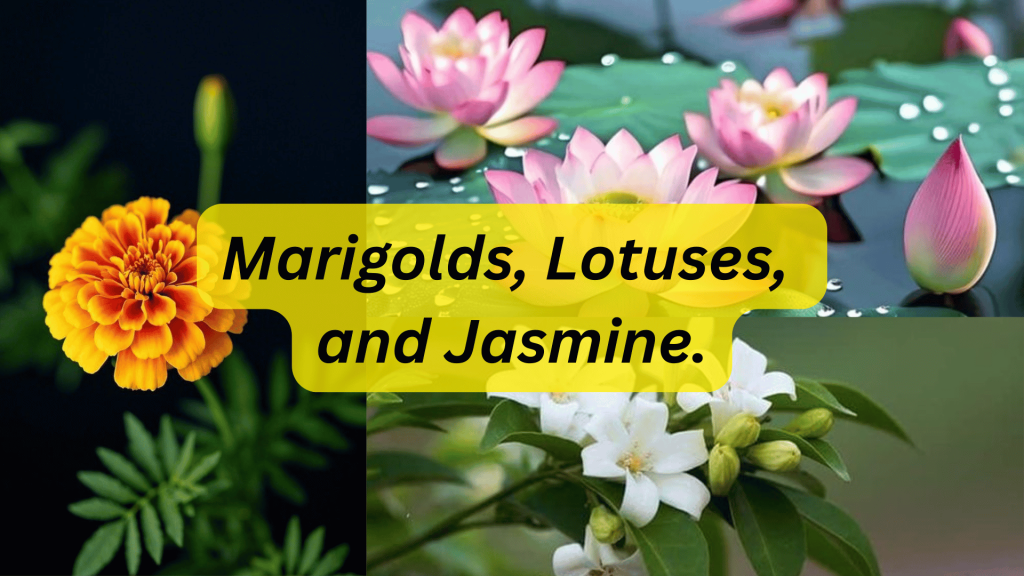
Marigold is a symbol for auspiciousness and is used to create garlands to honor deities or decorate wedding locations. Lotus represents purity and is connected with many Hindu gods and goddesses especially Lakshmi.
Giving flowers in India does not necessarily signify something romantic – it could denote blessings, respect, or spiritual meaning. However, the India of today has also adopted the western custom in a big way. The gifting of roses and mixed bouquets on valentine and anniversaries has become common.
In this multi-cultural country, flowers have traditional, modern, religious and romantic connotations.
Greece: Beyond The Gods
In ancient Greece, flowers were more than decorative—they were tied to the divine. The Greeks believed that flowers were gifts from the gods. Many blossoms were associated with specific deities: for instance, the rose was linked to Aphrodite, the goddess of love and beauty.
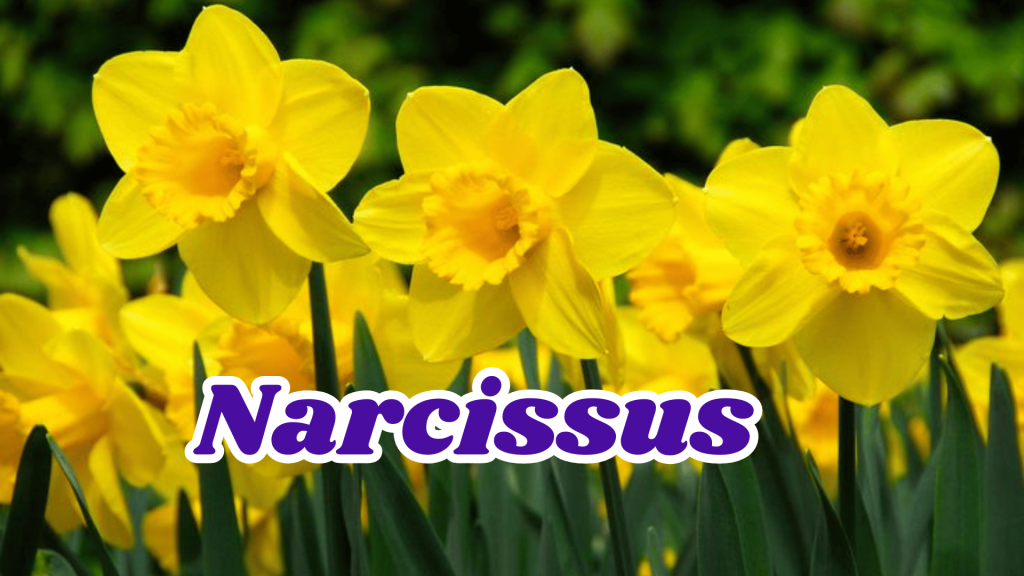
Greek mythology often explains the origins of certain flowers. The narcissus, for example, came from the story of the vain youth Narcissus, who fell in love with his own reflection and turned into a flower. Gifting such flowers was symbolic, often conveying a deeper narrative or personal connection.
Moreover, garlands and wreaths made of laurel, myrtle, and olive branches were used during ceremonies, athletic competitions, and religious rituals. The act of giving flowers in Greece was deeply intertwined with storytelling, spirituality, and social honor.
Egypt: Spiritual Flora Of The Nile
In ancient Egypt, flowers had religious and symbolic significance and particularly the lotus flower. Associated with the gods, especially Ra and Osiris, the lotus was considered as a symbol of rebirth and the sun. It was said to bloom in the morning and close at night, portraying the life and death cycle.
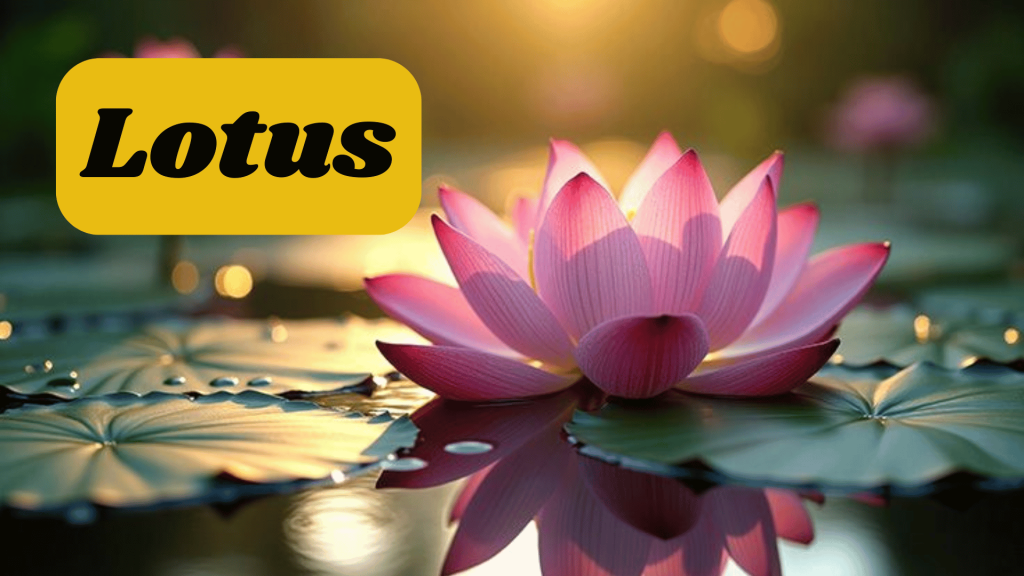
Flowers were used in the Egyptians for burial rites and temple offerings. In tomb paintings and papyrus scrolls, bouquets and garlands were frequently shown; the implication being their ceremonial value.
Gift of flowers during ancient Egypt was more than just an act of beauty; it was a sacred act. Flowers were used in the form of flower arrangements as offerings to the Pharaohs and as a floral ornament to adorn temples to serve the gods. The gesture was not casual but rather revere and ritualistic.
Japan: Crafting Silence And Symbolism
The relationship that Japan has with flowers is accompanied by high philosophy. These are two main traditions that form the approach to giving and enjoying flowers in Japan: Ikebana and Hanakotoba.
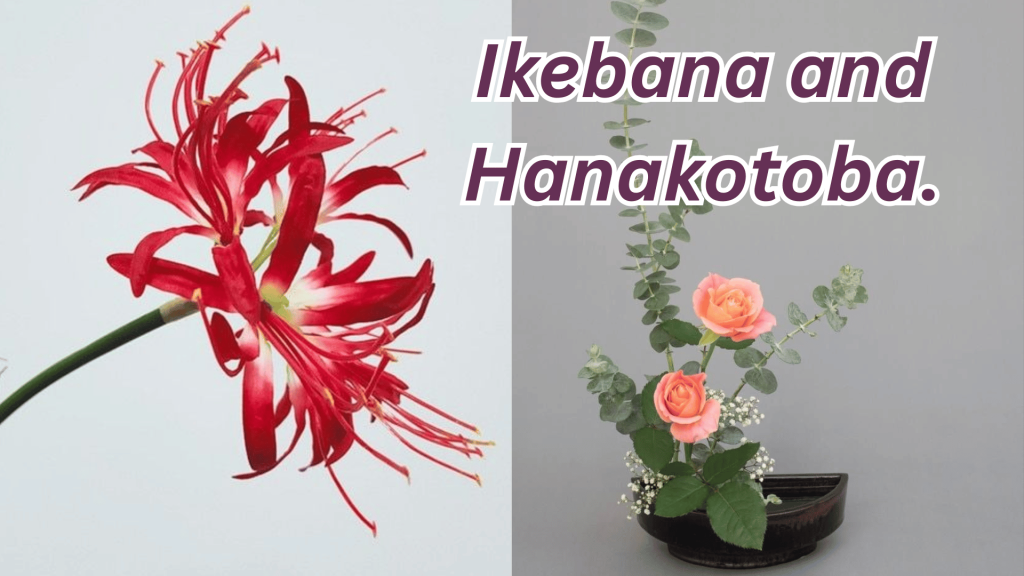
Ikebana is not just aesthetics. It is characterized by harmony, balance, and spiritual expression. In the 6th century, as Buddhism spread, so did Ikebana which was first practiced in temples but is now cultured as an art.
Hanakotoba or the language of flowers imparts significance on various flowers.
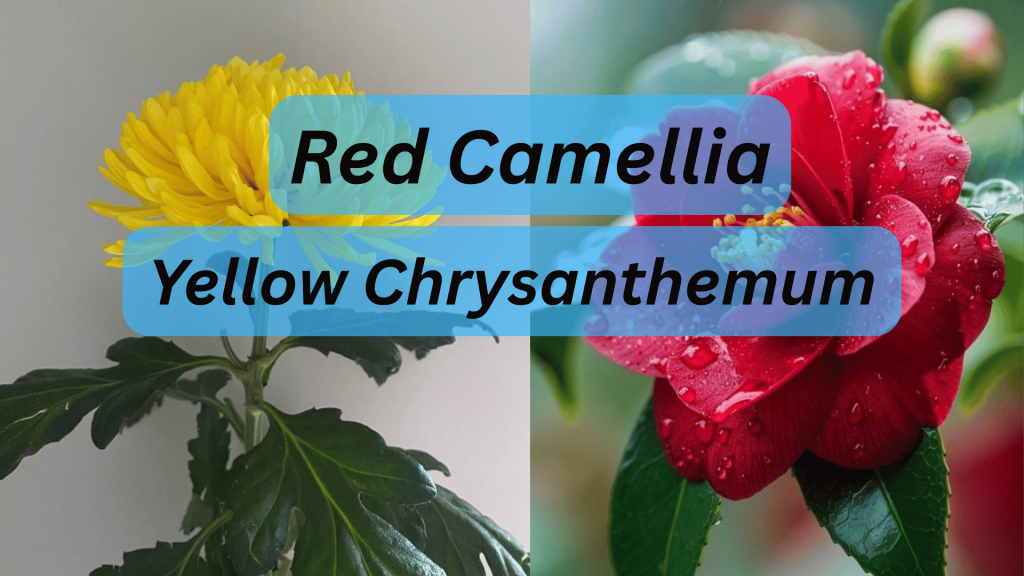
For example, red camellia refer to love, yellow chrysanthemum indicate slighted love or sorrow. Gifting flowers in Japan, therefore, is a form of art in emotional competency. Every flower, color, and how they are arranged speaks to a particular message, thus making gifting thoughtful and intentional.
France: The Art Of Love And Rebellion
The romantic culture has seen France recognising the allure of flowers for a long time. In the medieval period and during the era of Renaissance, the courtly love was in blossom and flowers served as the bearers of love and passion.
Prior to the 18th century, language of flowers, or Floriography, became a widely used manner to give open expression to hidden thoughts, especially during periods of turmoil in government when the expression of one’s feelings was hazardous.
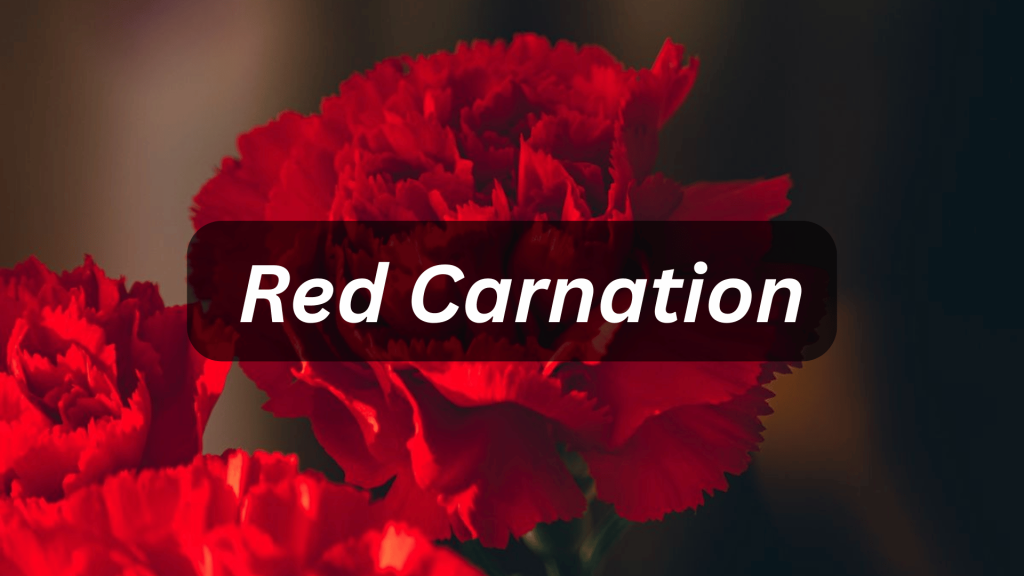
The French Revolution witnessed the use of flowers in political connotation. For example, the red carnation became linked with revolutionary ardour.
Flower giving in France even in the present day still is a subtle convention. Some flowers such as chrysanthemums are solely employed in mourning and they are never used in any form of romantic messages. A bouquet has to be rightly selected and the numbers of flowers are to be uneven (except 13 – it is unlucky number).
England: Victorian Era And The Language Of Flowers
Victorian England pushed the uses of flower symbols to the very fine details. In the times of rigid social rules and suppressed feelings flowers became a tranquil language of love, regret, jealousy, and longing.
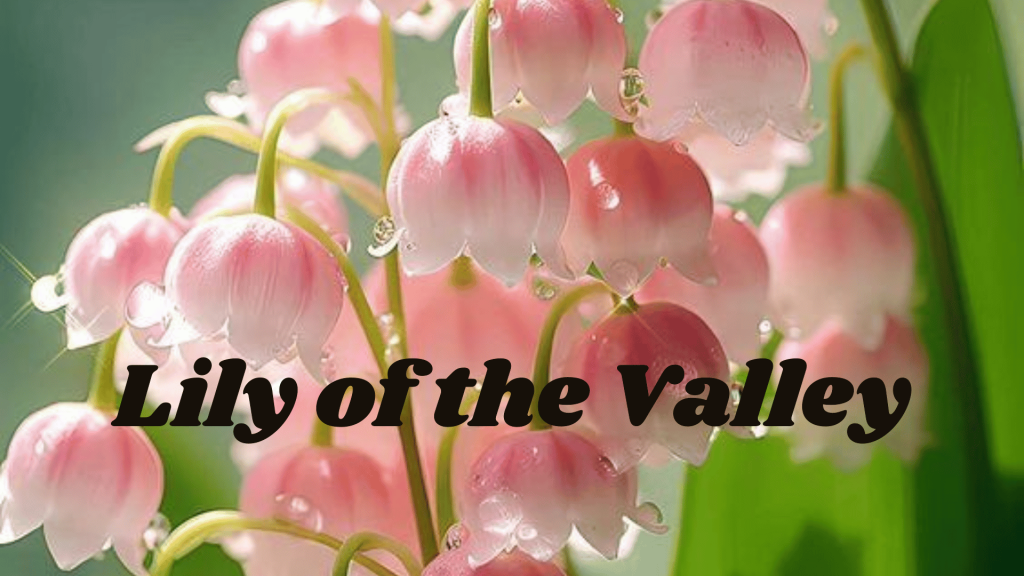
The popularity of floriography got so popular during 19th century that there are numerous dictionaries printed to decode meaning of each bloom. Deep love was meant by a red rose, jealousy by a yellow rose and humility by a Lily of the valley.
Small “talking bouquets” or “tussie-mussies” were exchanged in a fashion to express feelings in a discreet way. It was particularly important in romantic relationships in which there was no direct communication.
The flower gift as one of the social and emotional dialogue was firmly established during the Victorian period, and its influence is still reflected in the Western traditions.
Russia: Mythical Tradition And Symbolism
In Russian culture, gifting of flowers is a very symbolic act with certain rules. For instance, flowers have to be given always in odd numbers because only even numbers are preserved during funerals. Failing to abide by this custom can be taken as a sign of impoliteness, or even as a blackmail of sorts.
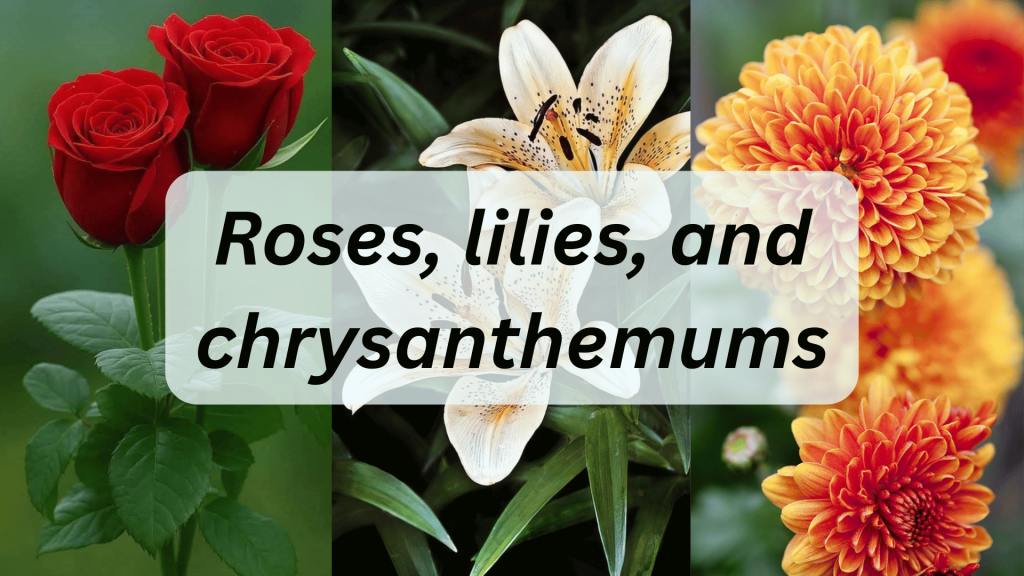
Roses, lilies, and chrysanthemums are popular flowers, with certain meanings to each type of flower. Red roses stand for passionate love, and white flowers may be coupled with purity or mourning.
The flowers also play an important role in the different Russian celebrations like the international women’s day on the 8th of March where giving of flowers to ladies of all ages is a norm.
In Russia, flower giving does not only have to do with love, it is a way of showing respect, appreciation and recognition, and part of cultural etiquette.
Turkey: Ottoman Majesty And The Age Of Tulips
The story of the Ottoman Empire and beautiful blossoms of tulips is closely connected as this flower became a symbol of luxuriousness, richness, and sophisticatedness.
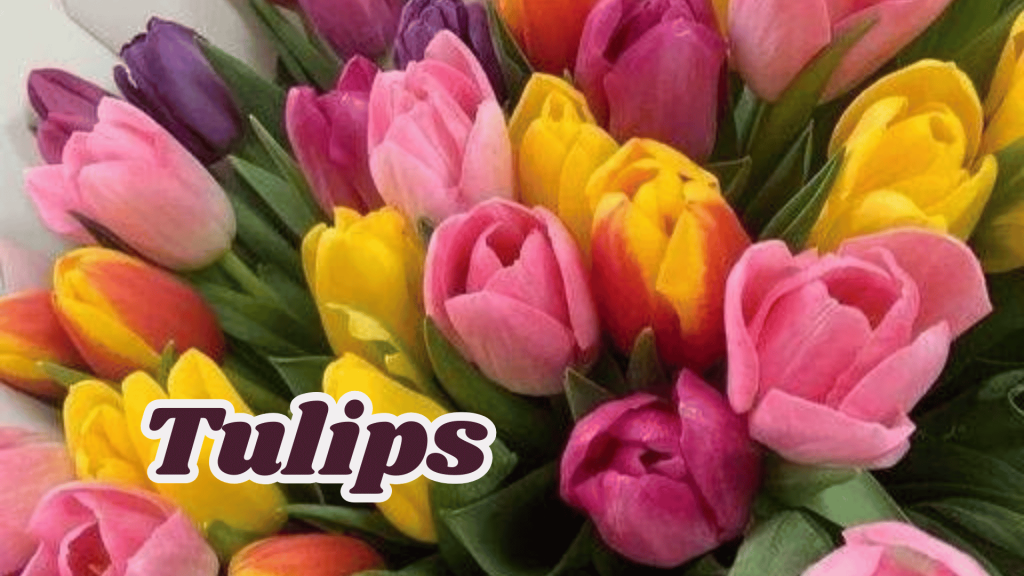
This era was referred to as the Age of Tulips or Lale Devri (17181730): a golden period of peace, artistic and cultural sophistication in Turkey. The tulips that were first natural in the Central Asia regions were grown to perfection in the Sultanic gardens of Istanbul, and seen decorating the palaces, and representing the abundance and splendor of the empire.
During this period the flower was also becoming prominent in art, poetry and architecture as symbolizing the Ottoman love of luxury and also the beauty of delicate things in nature. The cultural heritage left by the popularization of the tulip at this time remains as well as Turkey still has a festival and historical allusions to its classic flower today.
China: Admire and Beauty
Flower gifting in China is based on Confucian ideals, feng shui principles, and symbols. Every kind of flower in China has a meaning, usually to represent prosperity, harmony, or good fortune.
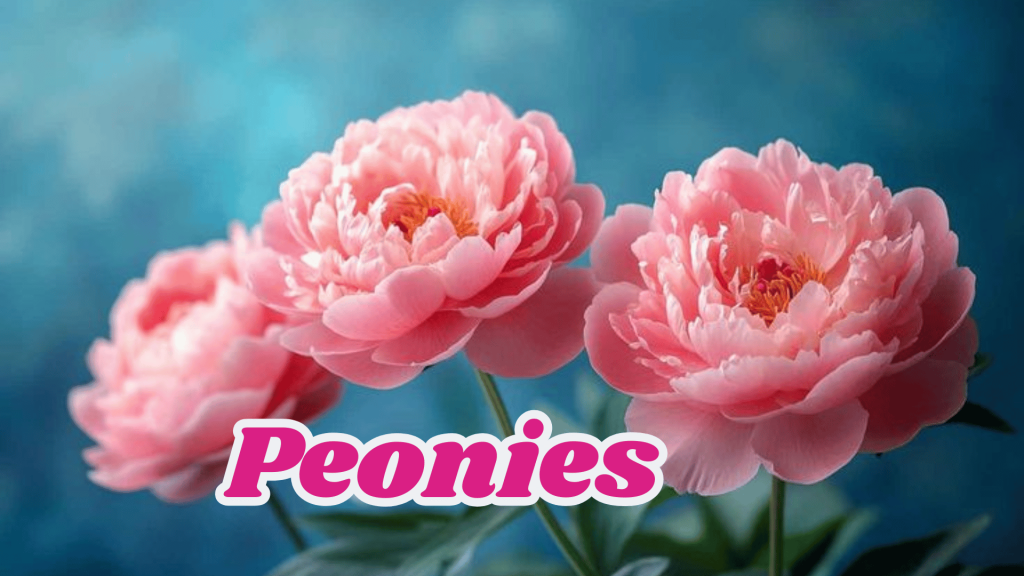
For an example, peonies mean wealth and honor, lotus flowers are symbols of purity, and plum blossoms are for resilience and hope. The orchid is loved for being graceful and representing the values of learned people.
However, there are also taboos. It is not fitting to present white flowers, especially chrysanthemums, at happy occasions because they are meant for funerals.
In the present day, giving flowers is an important part of social and business etiquette in China. No matter if it’s a new job, a wedding, or Lunar New Year, flowers are an important way to give blessings and good wishes in China.
Spain: Passion and Tradition
In Spain, flowers are often associated with passion, celebration, and festivity. The red carnation is the national flower and a symbol of deep love and pride. It frequently appears in festivals, religious processions, and dances like Flamenco.
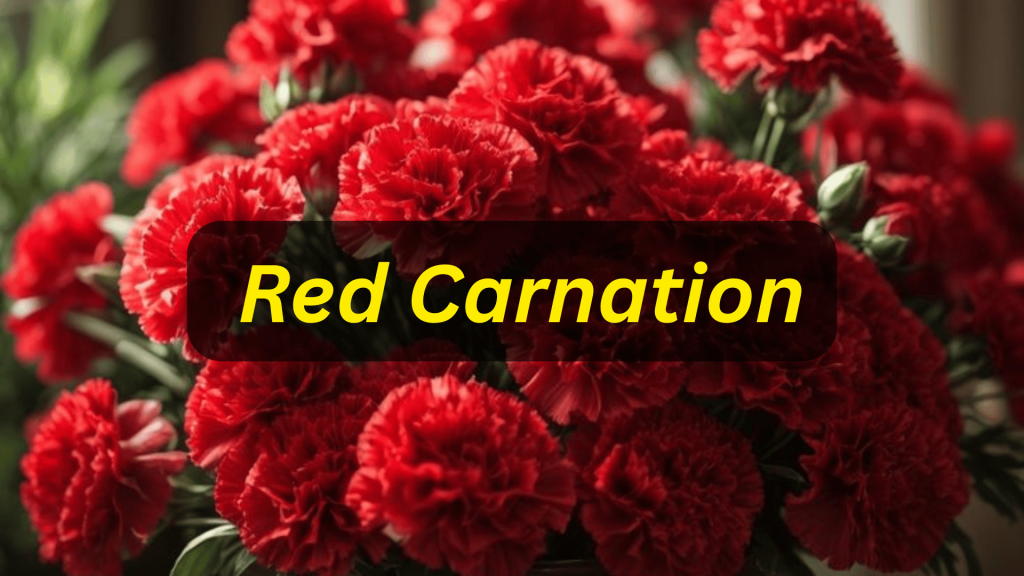
Gifting flowers in Spain is usually reserved for significant events such as weddings, birthdays, or religious holidays. Unlike some other cultures, there are fewer restrictions on the number of flowers, but the choice of bloom and color still carries weight.
For instance, red and yellow flowers (the national colors) evoke patriotism, while white flowers symbolize purity and are often used in religious ceremonies.
Spanish culture embraces flowers as vibrant expressions of life, emotion, and cultural pride.
Australia: The Story Of Flora Language
Even though giving flowers is a new tradition in Australia, it has turned into something special by mixing native plants and Western ways.
Aboriginal people have for centuries used plants like wattle and banksia in ceremonies and medicine, but not in formal gift-giving like it is done in other cultures.
When Europeans arrived in Australia, they brought the custom of giving flowers, and Australians gradually began to practice it in diverse situations. Often, waratahs, kangaroo paws, and golden wattle, which is the national flower, are used in floral designs.
Flowers are exchanged in Australia for things like birthdays, funerals, and weddings, and during ANZAC Day, red poppies are worn to remember soldiers who died in battle. Because sustainability matters, native flower arrangements are chosen for what they represent and for being good for the environment.

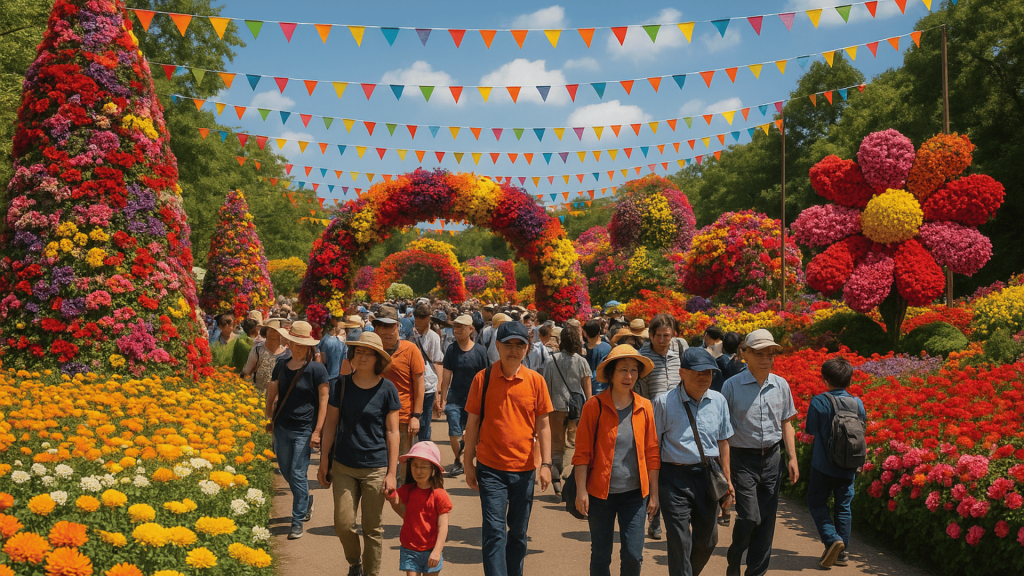
Melbourne International Flower and Garden Show
Australia’s love for flowers has flourished since colonial times and is beautifully showcased each year at the Melbourne International Flower and Garden Show. As the largest event of its kind in the Southern Hemisphere, the show attracted over 100,000 visitors last year, highlighting the nation’s enduring passion for floral beauty.
Germany: A harmony Of Legacy and Logic
In Germany, flowers are liked for their beauty as well as what they represent. Presenting flowers is a way to say thank you, show respect, or celebrate, but in Germany, as in Russia, there are certain ways to do it.

Germany National Flower is Cornflower, a Beautiful Blue violet bloom. An even number of flowers is only for funerals except for that, they should not be given. The gift of red roses is romantic, whereas yellow roses often mean jealousy. Chrysanthemums should not be given except when someone has died.
It is important to be on time and present flowers properly; unwrap the flowers before giving them, and try to pick blooms that fit the season or area.
People in Germany are considered practical and respectful, and this shows in the way they give flowers with cultural awareness.
Also Check: Flowers Name For Mother’s Day
Conclusion
Giving flowers to each other across the globe and throughout time shows the unique values, feelings, and aesthetics of different cultures. Whether we look at spiritual garlands in old Egypt, the secret language of Victorian roses, or the beautiful symbolism in Japanese Hanakotoba, flowers are more than just something pretty.
They send important messages, showing feelings like love, sorrow, gratitude, or joy when words are not enough. Even though flower symbolism differs by place, the main idea is still the same: flowers touch the human soul.
Learning about the history behind this tradition in a global world helps us value it more. Choosing roses on Valentine’s Day or peonies at a Chinese wedding is a way of honoring a deep and attractive tradition that links us to previous generations and each other.