Best Indian Rituals Flowers Name: Guide You To Indian Culture And Tradition
In Indian rituals and religious ceremonies, flowers signify a pure heart, strong devotion and the divine. People from every faith commonly turn to flowers because of their colors, scents and beautiful appearance during various life celebrations and events in India. Every flower is meaningful in spirituality and is selected by different religions for various ceremonies or offerings. Here, I will discuss the various types of ritual flowers found in India and their importance in the culture and religions of the region.
An Overview of Indian Rituals and Culture
Spirituality plays an important role in India, which has been helping to adapt its unique culture for centuries. Most Indian rituals and customs are deeply related to religion, family and different seasons. Almost everywhere in the world, people respect life, environment, their ancestors and God.
Diverse religions and their Assorted Rituals
Many people in India follow the religions of Hinduism, Islam, Christianity, Sikhism, Buddhism and Jane. Although every religion creates its own rituals, they focus on respecting the elders, honoring God with devotion and understanding the importance of festivals and celebrations.
Prayers, flowers and food offerings are daily rituals in Hinduism. In addition, seams, fire rituals, called Yana, include events held for significant changes in the temple and life. In India, Muslims pray daily, participate in Ramadan and enjoy Eid together. On the occasion of collective, baptism and Christmas, Christians mark their beliefs, while Sikhs gather for prayer and participate in community service.
Marigold (Genda)
In India, marigold is often seen in religious ceremonies. Because of its bright yellow and orange colors, turmeric is a symbol of good fortune and happiness. Marigold garlands are usually provided to gods and spirits and used to decorate Hindu houses and temples during the festivals of Diwali and Dussehra.
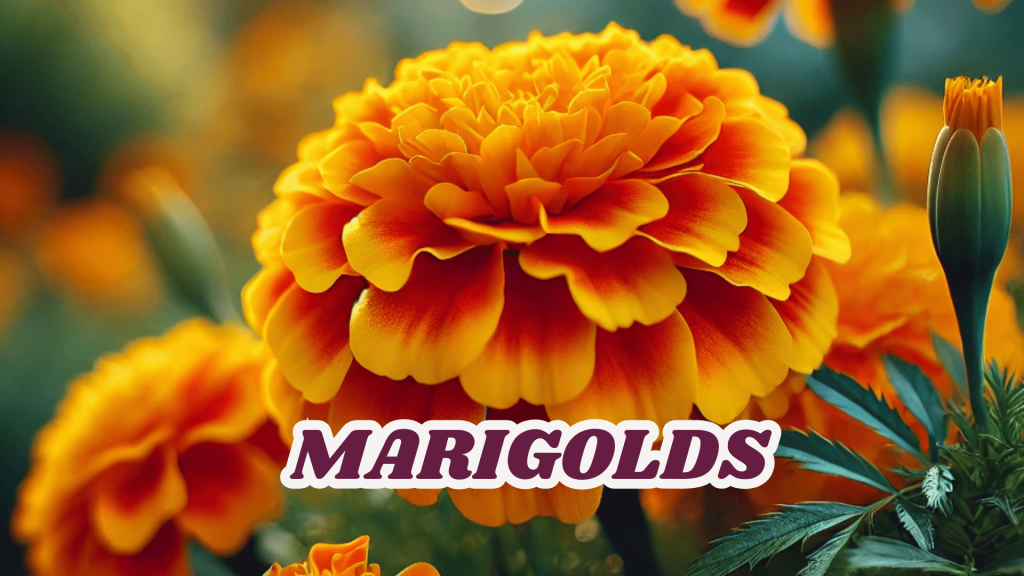
The scent and vividness of incense are thought to prevent negativity and bring blessings. In South Indian temples and weddings, marigolds contribute greatly to the special mood of both events.
Lotus (Kamal)
People in India often associate the lotus with major religious rituals. People regard the lotus flower as holy and believe it is sacred to Lakshmi and Saraswati. Because a lotus symbolizes purity, holy understanding and a fresh start, it greatly impresses people—it emerges from dirty water, showing the human soul rising above all worldly concerns.
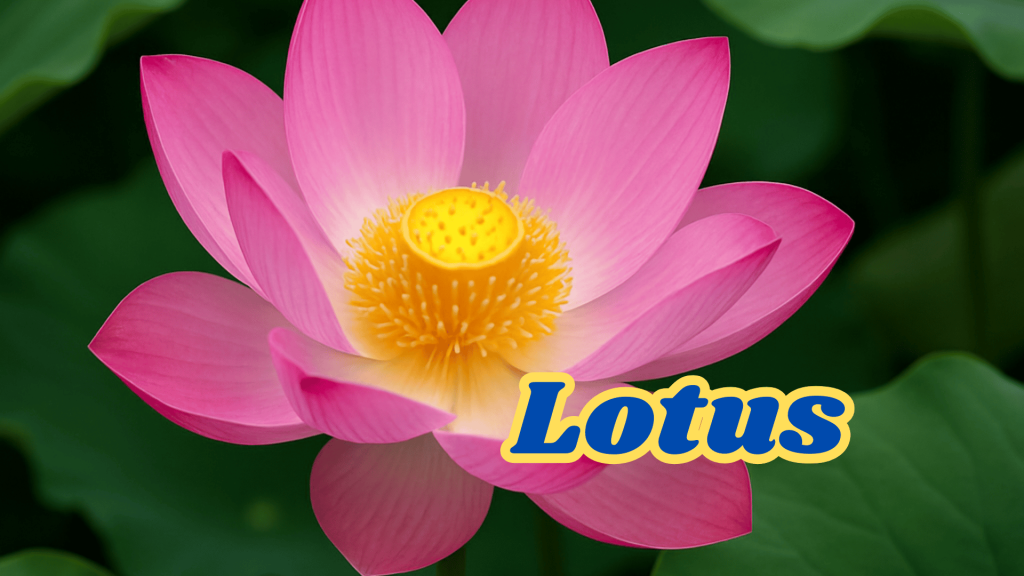
During important festivals, people often include lotus flowers in their rituals and many gods and goddesses are shown sitting on them in images and idols.
Jasmine (Mogra)
In Indian ritualistic customs, Jasmine is famous for its sweet-smelling white petals. It is generally used in religious rituals and in South India, people use it during temple activities and for hair decoration during ceremonies. Jasmine represents innocence, love and raising one’s spiritual level.
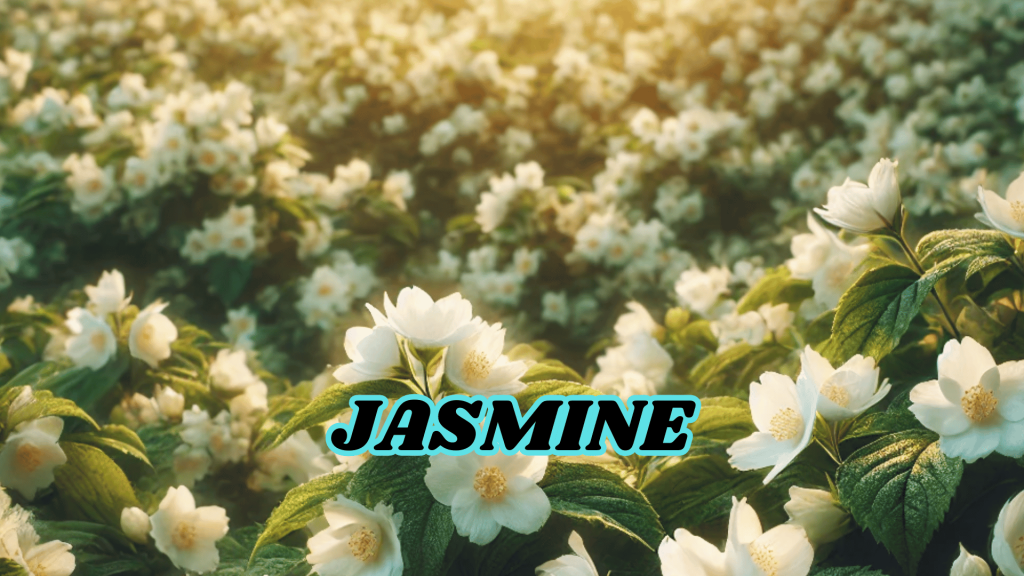
People believe that incense creates a peaceful atmosphere inside, making it preferred to use in evening prayers, weddings and group worship.
Hibiscus (Gudhal)
In Indian religions, the red hibiscus flower is believed to be sacred. Special attention is given to these two deities in India. Many people plant the bright red poppy in rituals to ask for power, energy and protection.
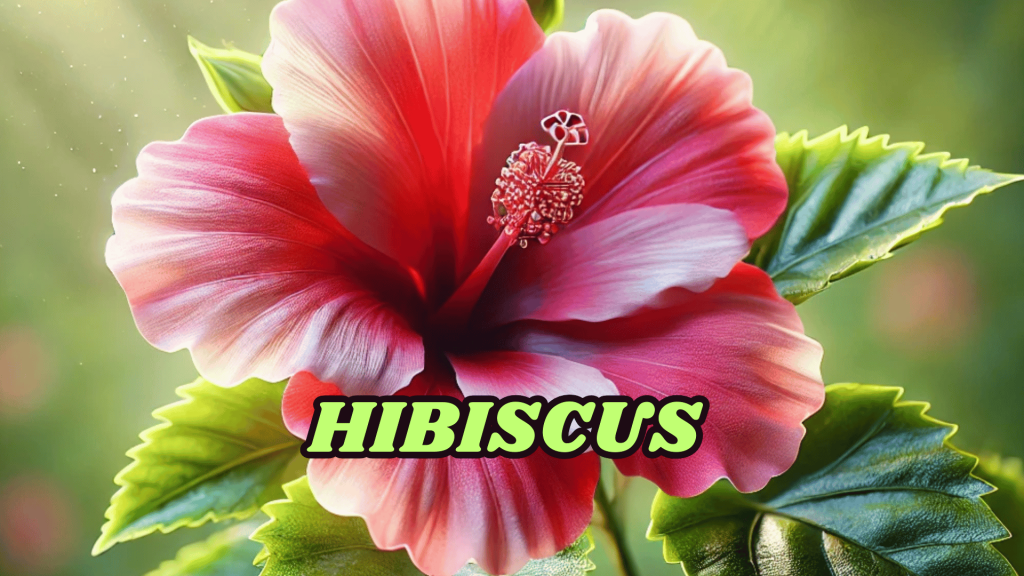
Traditionally, hibiscus is a major offering in both Bengal and various other parts of eastern India for Durga Puja. For these same reasons, it is included in a lot of tantric ceremonies.
Red Rose (Gulab)
Roses are loved by all, yet they are especially appreciated for their meaning in Indian ceremonies. Red roses are given to gods and goddesses to show them love, devotion and surrender. When people practice Hinduism and Sufism, rose petals are often placed on altars, tombs and during processions.

Because it attracts divine energy, having roses during worship has become a regular practice in India. Sprinkling rose water in temples and during traditional celebrations helps clean the area.
Plumeria and Arabian Jasmine (Champa and Chameli)
Temples and various offerings make wide use of fragrant flowers. Champa (Plumeria) is widely used in religious practices found in South India and Buddhism.
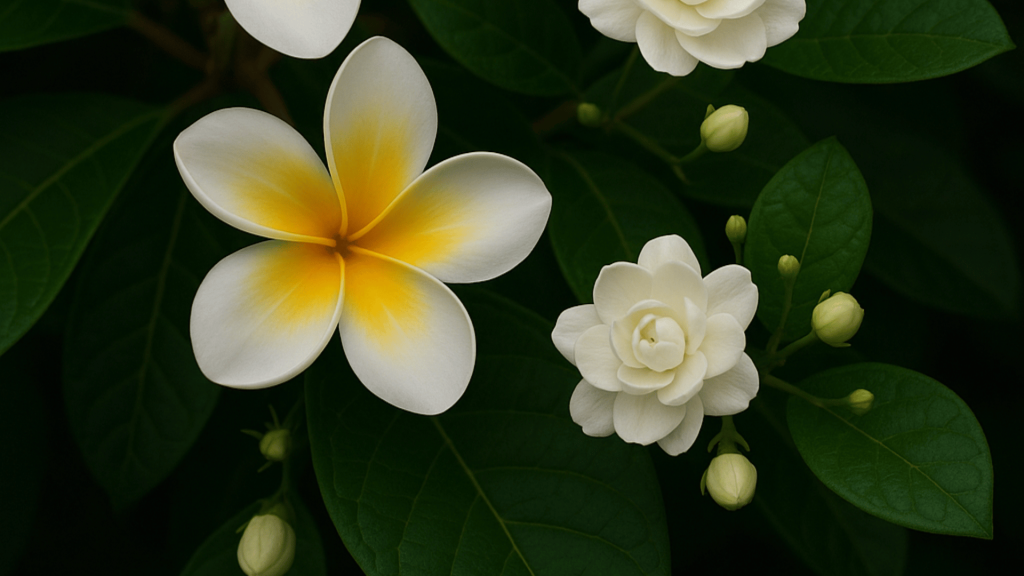
Because of its meaning, the bell is used in festivals and poojas in temples. Garlands made from Chameli or Arabian Jasmine, are often given to Lord Vishnu and Lord Shiva. The pleasant scent they release makes the area relaxed enough for anyone to focus on meditation.
Tuberose (Rajnigandha)
Its strong yet sweet fragrance makes Rajnigandha or tuberose, a favorite in many Indian religious ceremonies at night. A flower is a symbol of peace and purity.
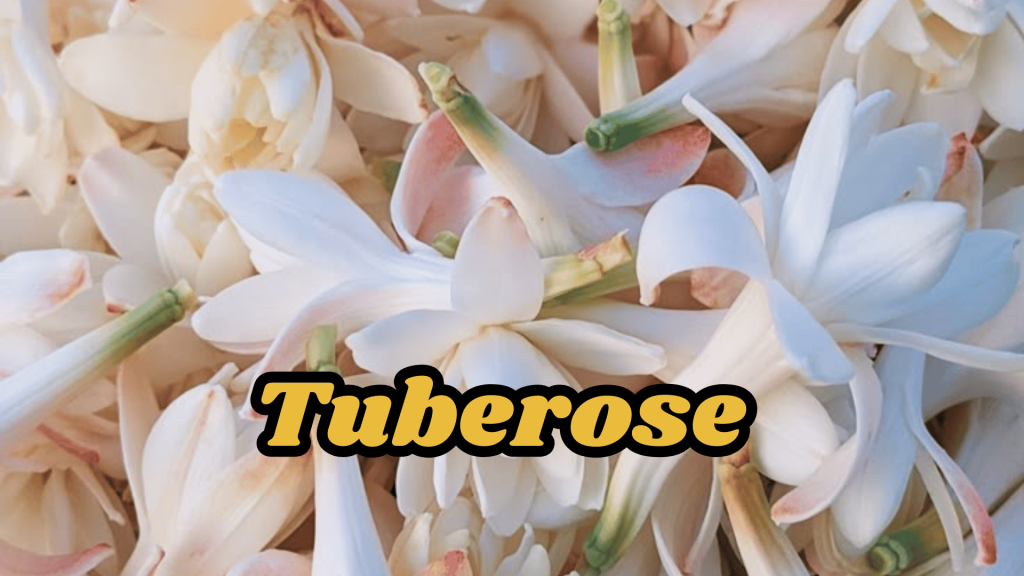
Marigolds appear during ceremonies in India, whether in the North or the South, as decorations and in flower garlands. Many weddings and important ceremonies that require peace and serenity are decorated with Rajnigandha flowers.
There are Bael Flowers and Bael Leaves.
While the flowers and trifoliate leaves of a Bael tree are unusual, their place in Hindu rituals and especially in Shiva worship, remains very recognized.

During Shivratri and any puja devoted to Shiva, the three-lobed leaves represent Shiva’s trident and are regarded as a sacred gift. Although bael leaves are the main part used, sometimes the flowers are also used in worship ceremonies, mainly in rural India. It is believed that when Bael is offered, a soul may be cleansed and God’s grace can be received.
Palash is Indian for Flame of the Forest.
In Vedic rituals, palash flowers are acknowledged because of their reddish-orange hue which is described in many old scriptures. During Holi and similar spring seasonal festivals, the Palash flower stands for purification and sacrifice.
During Yajnas, the flowers are placed before the fire in the hope of pleasing the god Agni. Sometimes, the dye extracted from their leaves is used both for Holi festivities and decorations.
Also Check: Lavender Flower
Conclusion
Indian rituals are very symbolized and flowers really show its spiritual aspect. From the beauty of Kanwal to the sanctity of the bull leaves, every flower is important to those who seek spirituality. In addition to being visually beautiful, they also indicate love, faith and devotion. In Indian culture, wherever there are flowers of rituals, such as temples, homes or spiritual places, they connect the physical world with spiritual.